Birthstones · Complete Guide
January through December — Monthly Guardian Stones, Meanings & Properties
The 12 monthly birthstones, codified by the American jeweler's association in 1912 and revised by Japan's gemstone association in 2021. Rooted in the 12 stones of Aaron's breastplate from the Book of Exodus, they remain the most enduring guardian-stone tradition. From Stone Artistry HISUI's 38 natural stones, the Japanese witch presents each month's primary and secondary stones.
What is a Birthstone — Origin & Meaning
A birthstone is a gemstone or natural stone associated with the month of a person's birth. The origin traces back to the 12 stones set into the breastplate of the high priest Aaron, described in Chapter 28 of the Book of Exodus. These 12 stones symbolized the 12 tribes of Israel, each carrying its own spiritual meaning.
The modern birthstone list was systematized in 1912 when the American National Association of Jewelers (now Jewelers of America) established the official sequence from garnet (January) to turquoise (December) as the worldwide standard. Japan codified its own list in 1958, then revised it in December 2021 — the first major update in 60 years — adding stones rooted in Japanese culture: jadeite, coral, morganite, tanzanite, and others.
The meaning of a birthstone extends beyond mere "guardian for the birth month." Since ancient times, people have found conscious power in the color, hardness, and clarity of stones, placing their intentions upon them to guide daily decisions. Stone Artistry HISUI treats birthstones not as magical instruments but as mirrors that reflect one's own will.
Janvier
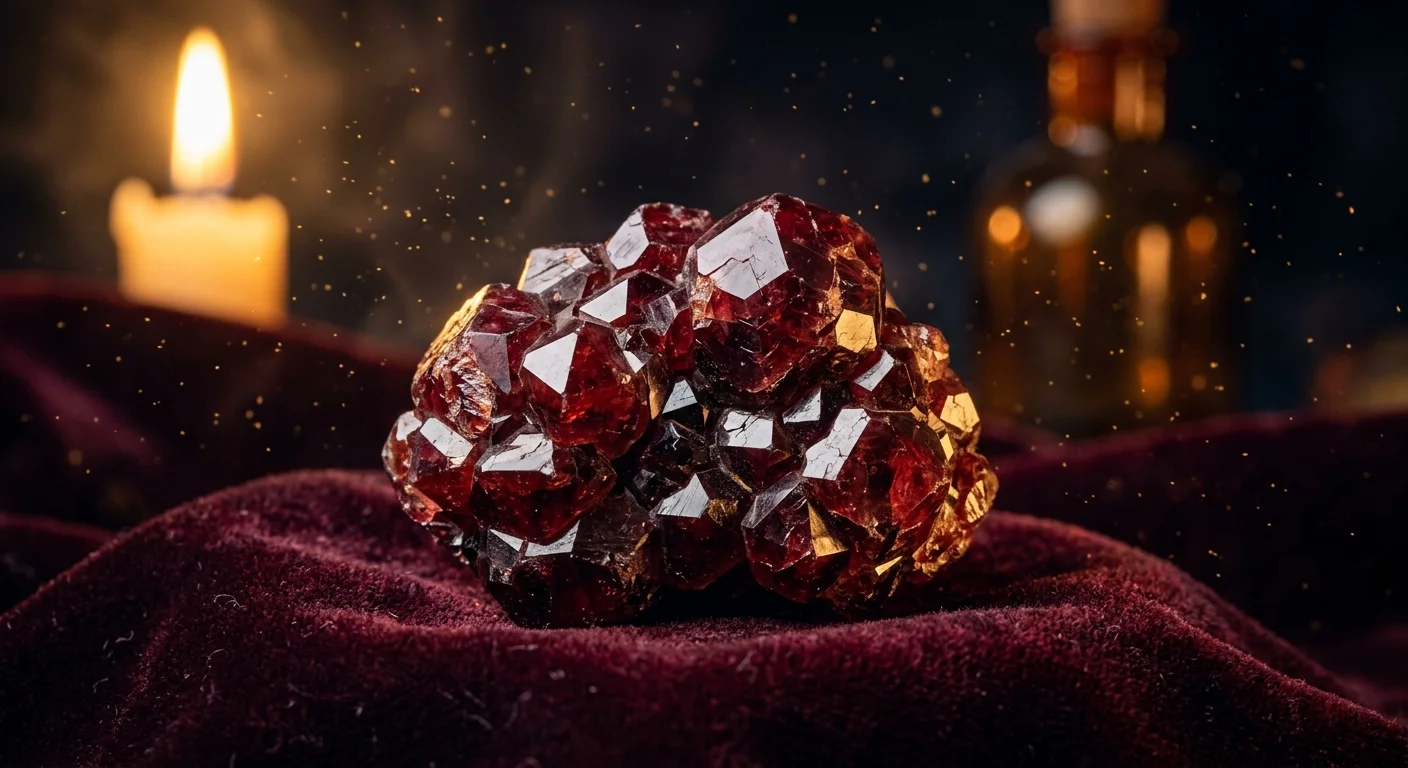
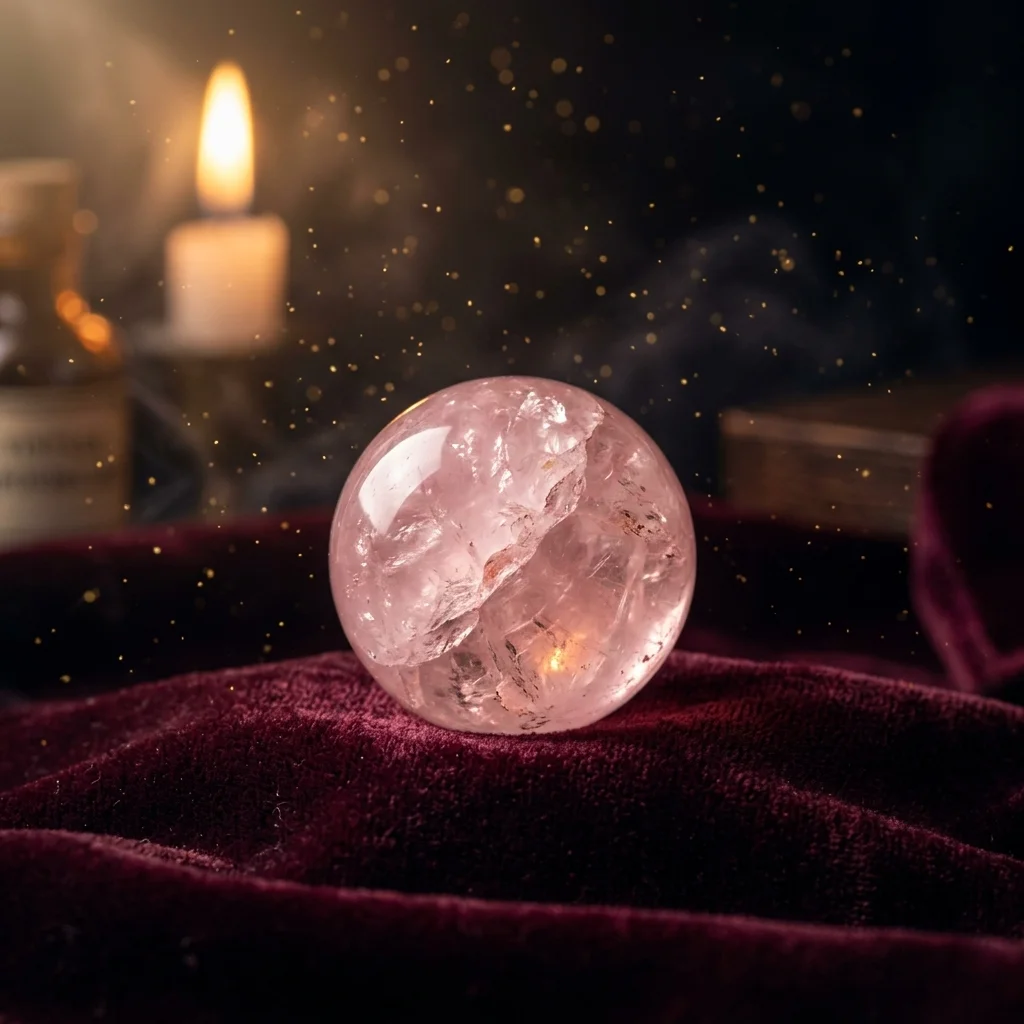
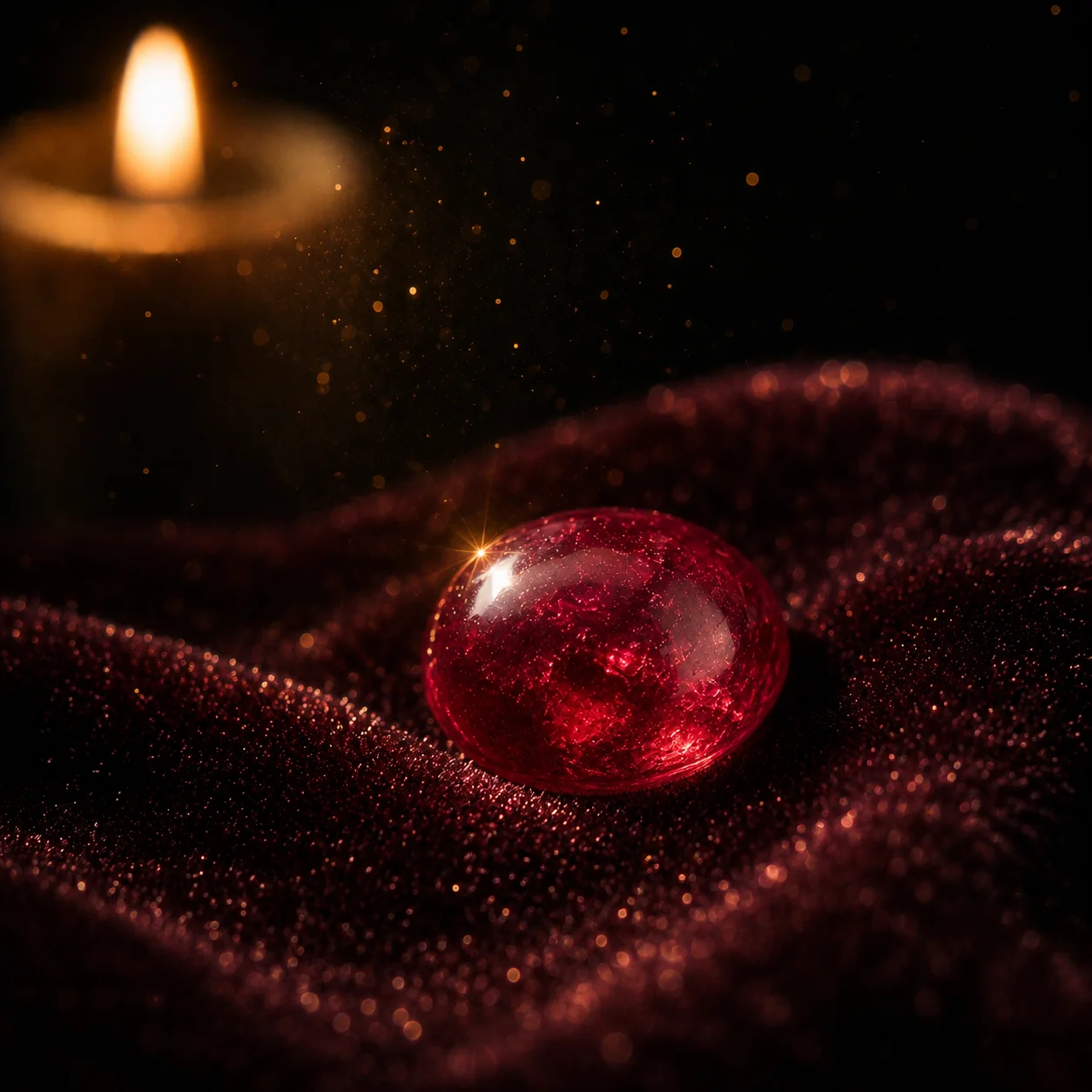
January's primary stone, garnet, glows with a deep ruby-red. Named for its resemblance to pomegranate seeds (Latin: granatum), garnet adorned Egyptian priests' regalia and served as a Roman seal of binding contracts. Its meaning is fruition, loyalty, and the manifestation of strong will. For those born in the first month of the year, garnet feeds the inner flame so it never burns out.
Février
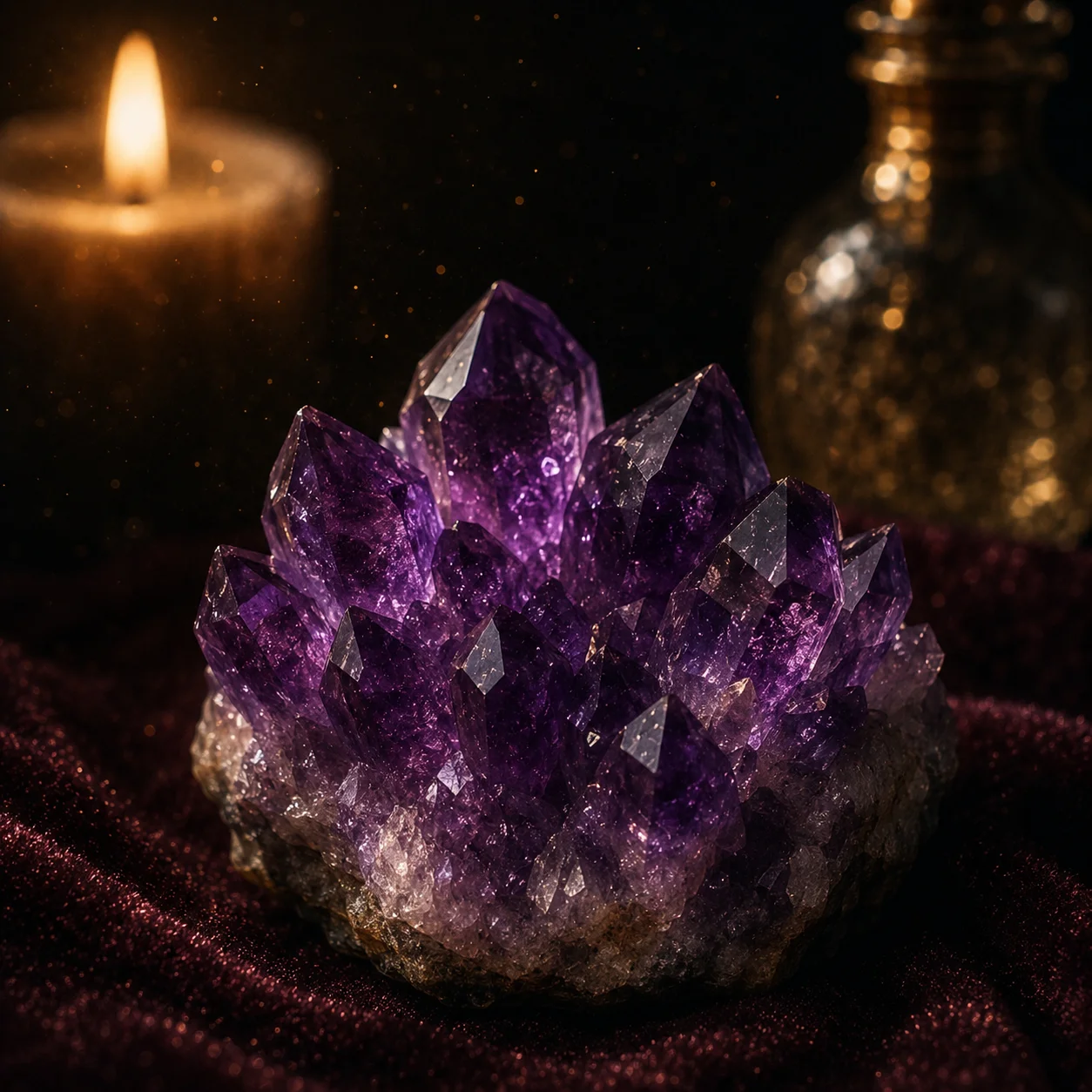
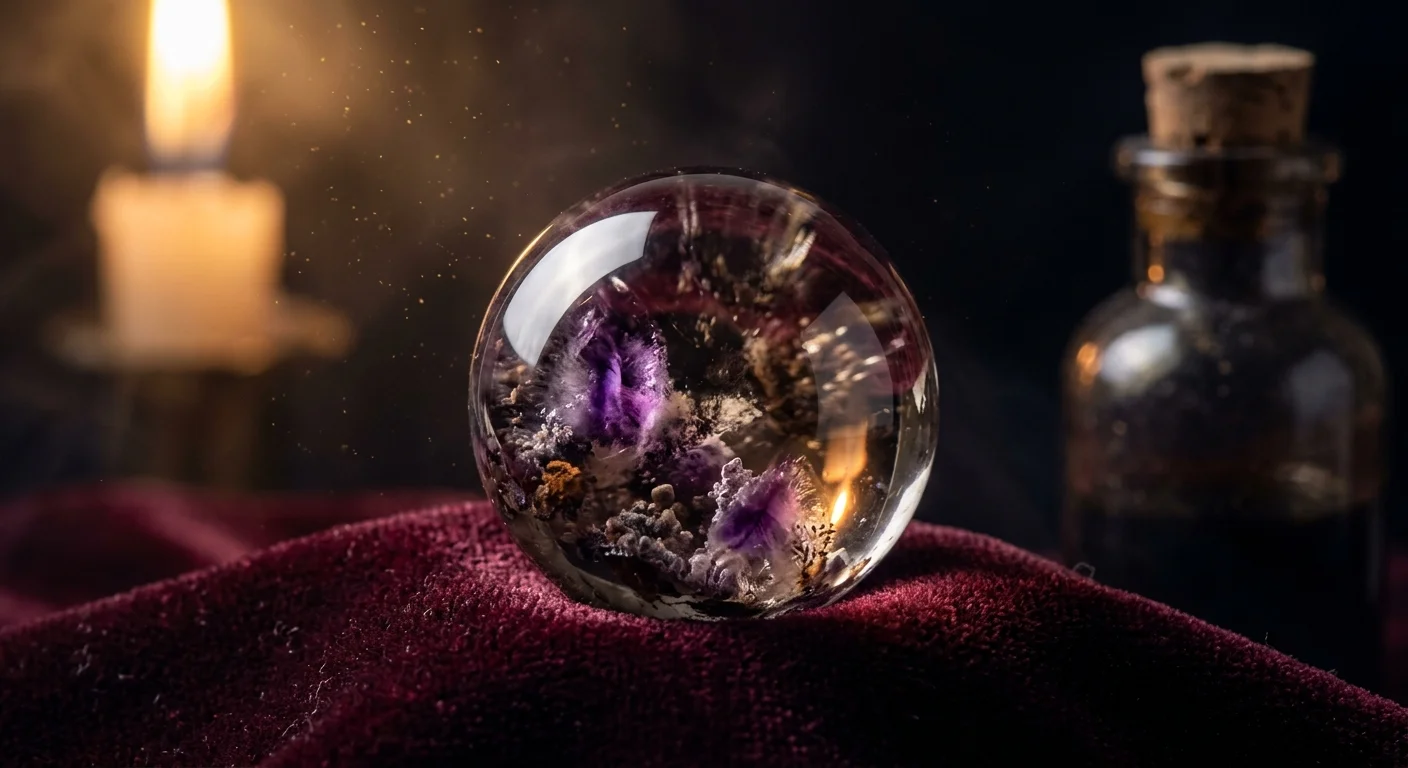
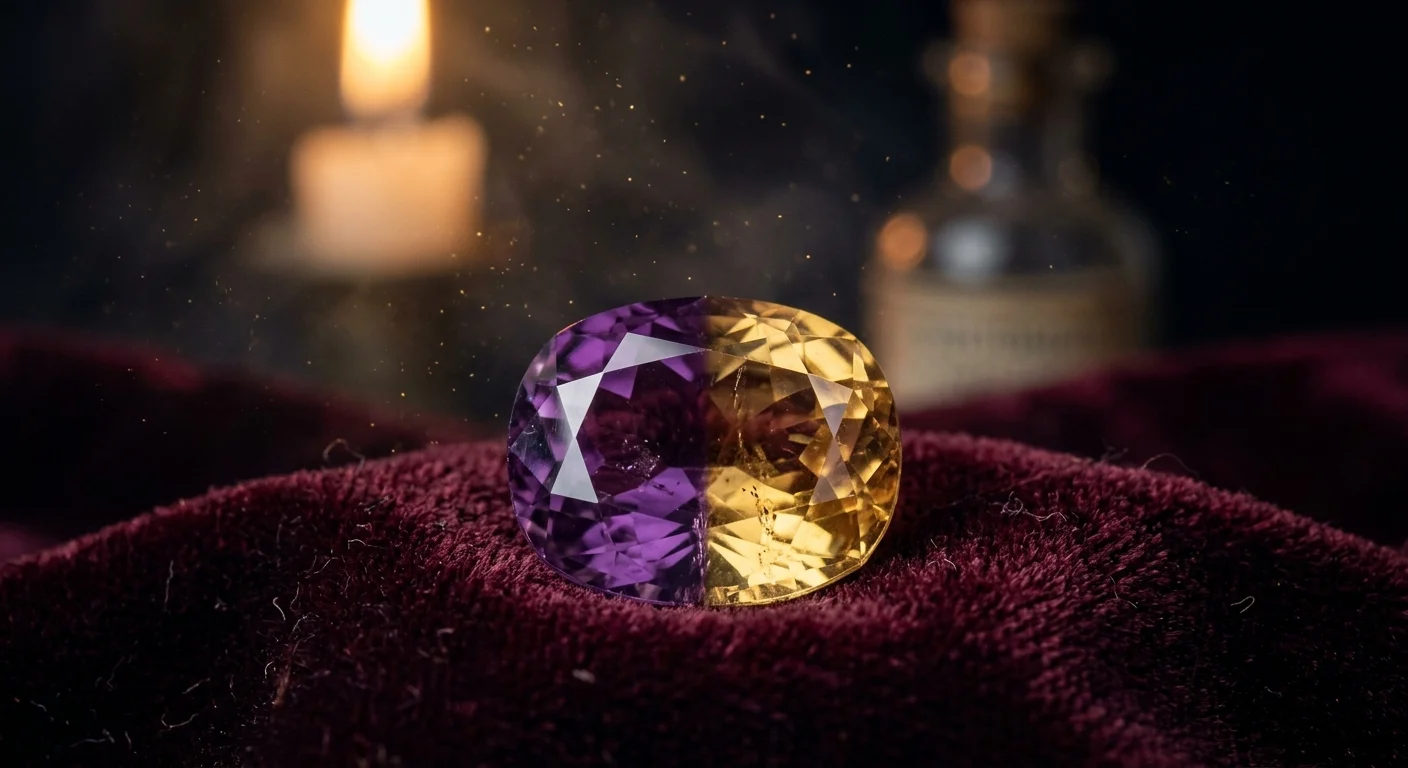
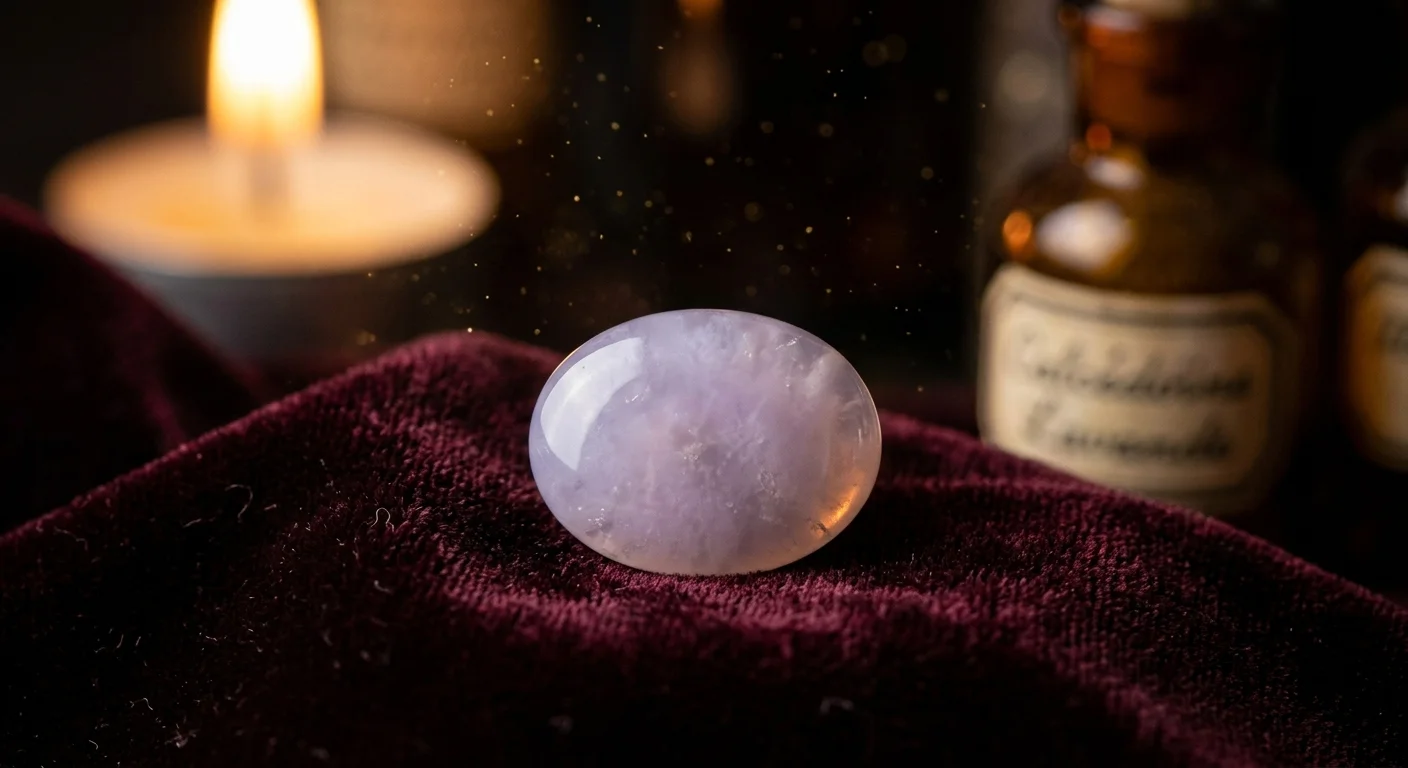
February's primary stone, amethyst, holds the transparent depth of purple quartz. The name derives from Greek amethystos (not intoxicated): in ancient Greece and Rome, amethyst at the table was believed to dispel drunkenness, and bishops have worn it in their rings for over 1500 years. Its meaning is calm, awakened intuition, and spiritual depth — the perfect stone for meditation.
Mars
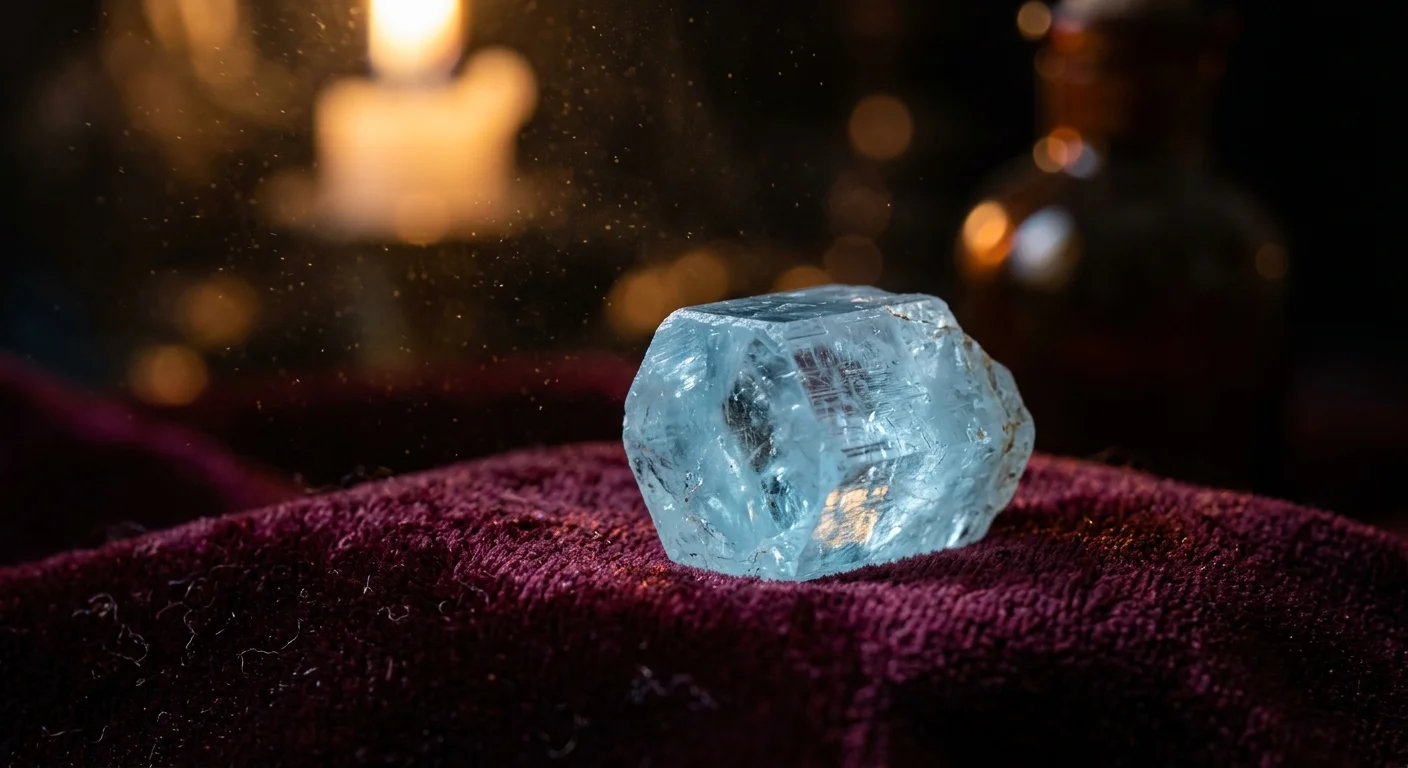
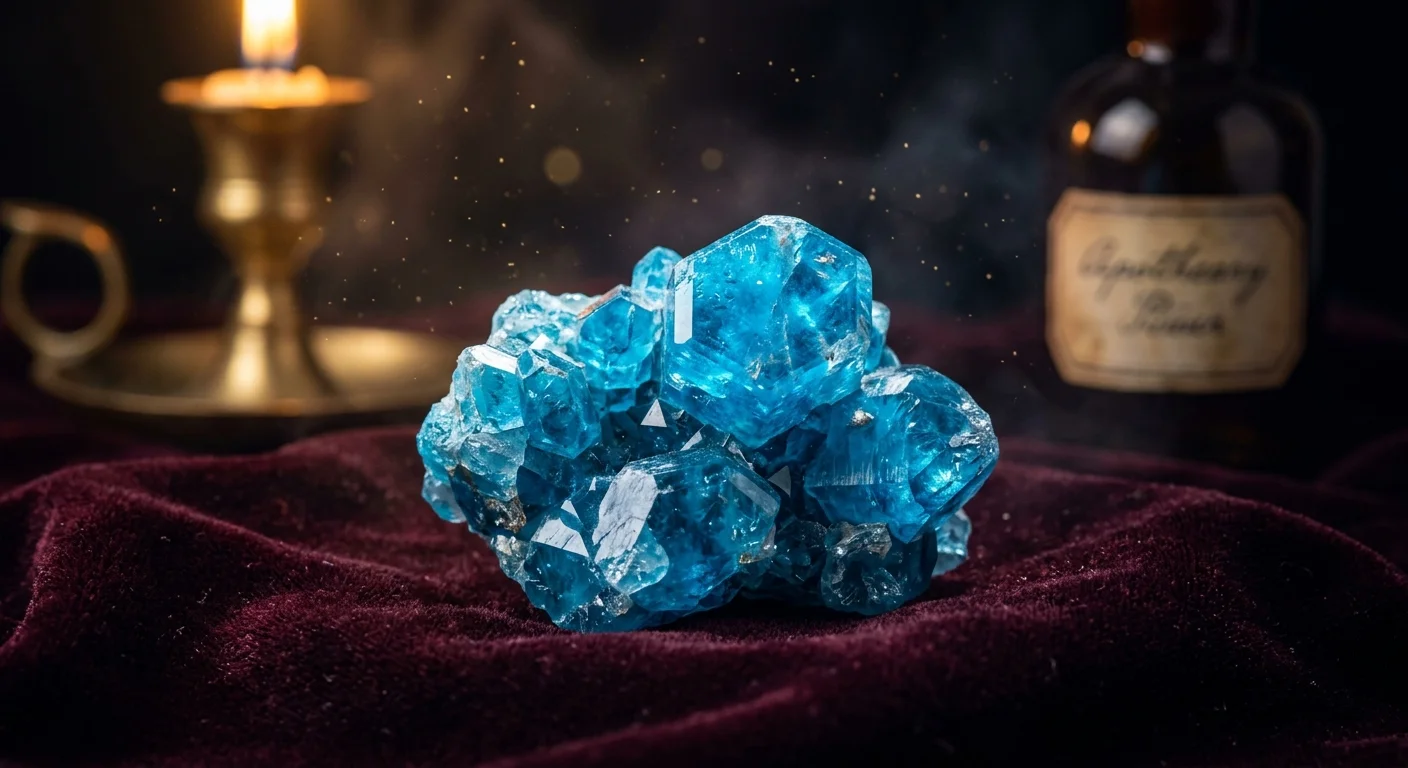
March's primary stone, aquamarine, carries the pale blue-green of frozen seawater. Its name comes from the Latin aqua marina (water of the sea). Roman mariners carried it as a talisman to calm storms, and Greek myth held that aquamarines washed ashore from the treasure chest of Neptune. Known as the stone of communication and solace, it resonates with the throat chakra and supports those forming new relationships in spring.
Avril
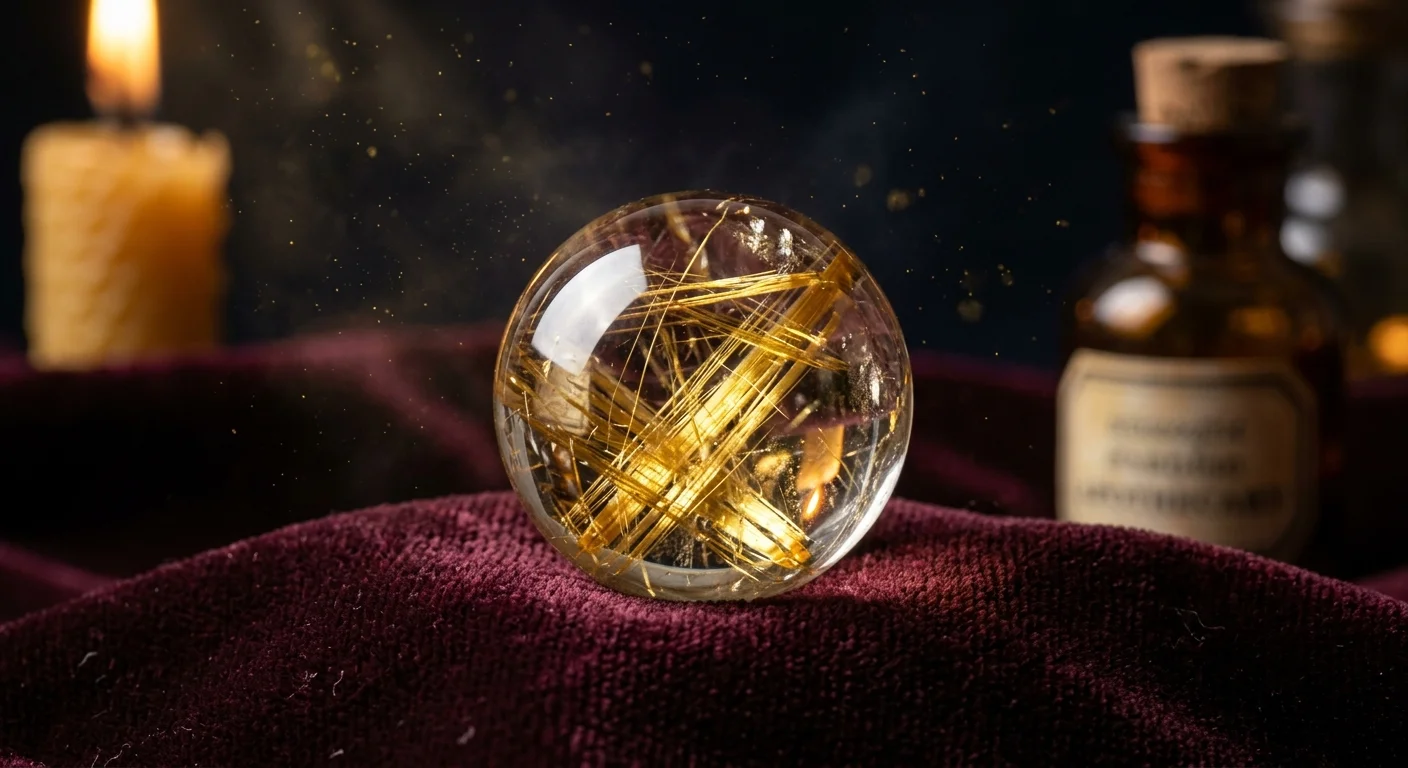
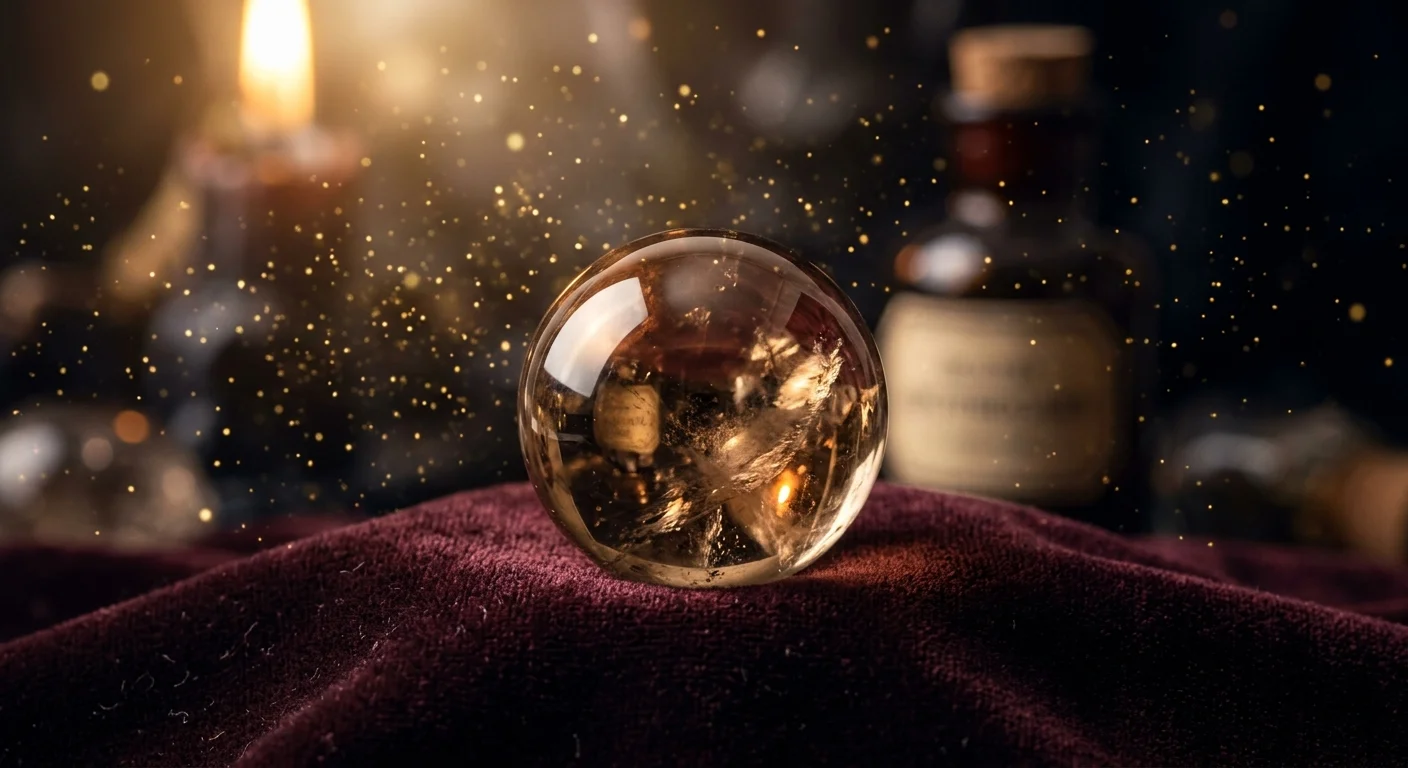
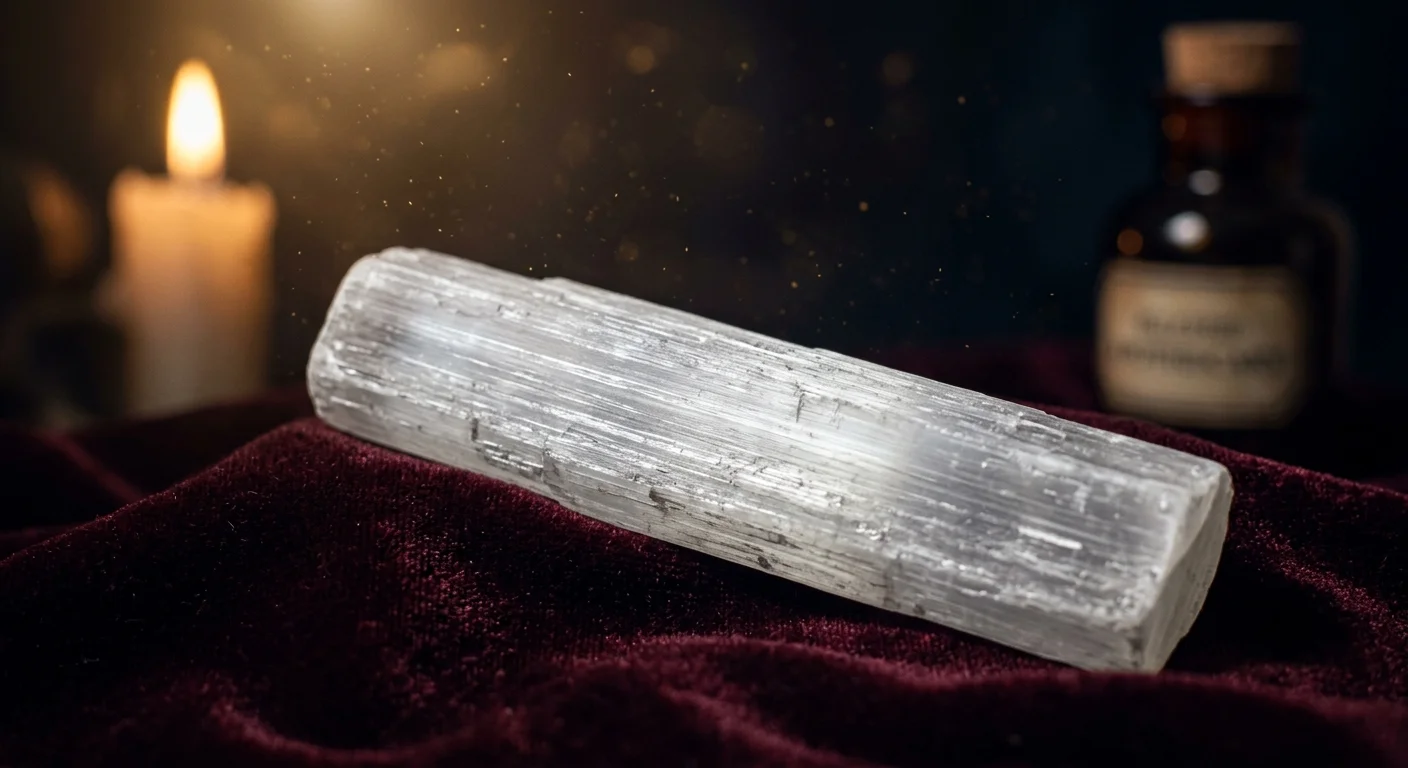
April's traditional primary stone is diamond — symbol of eternity and indestructibility, crowned at Mohs hardness 10. Stone Artistry HISUI recommends the quartz family, which inherits diamond's clarity-of-spirit, as April's guardian stones. Called "frozen sacred ice" in antiquity, quartz governs purification, amplification, and clarity. Golden titanium rutilated quartz is traditionally tied to abundance and business success; smoky quartz grounds; morion offers powerful protection against negativity; selenite cleanses like moonlight.
Mai
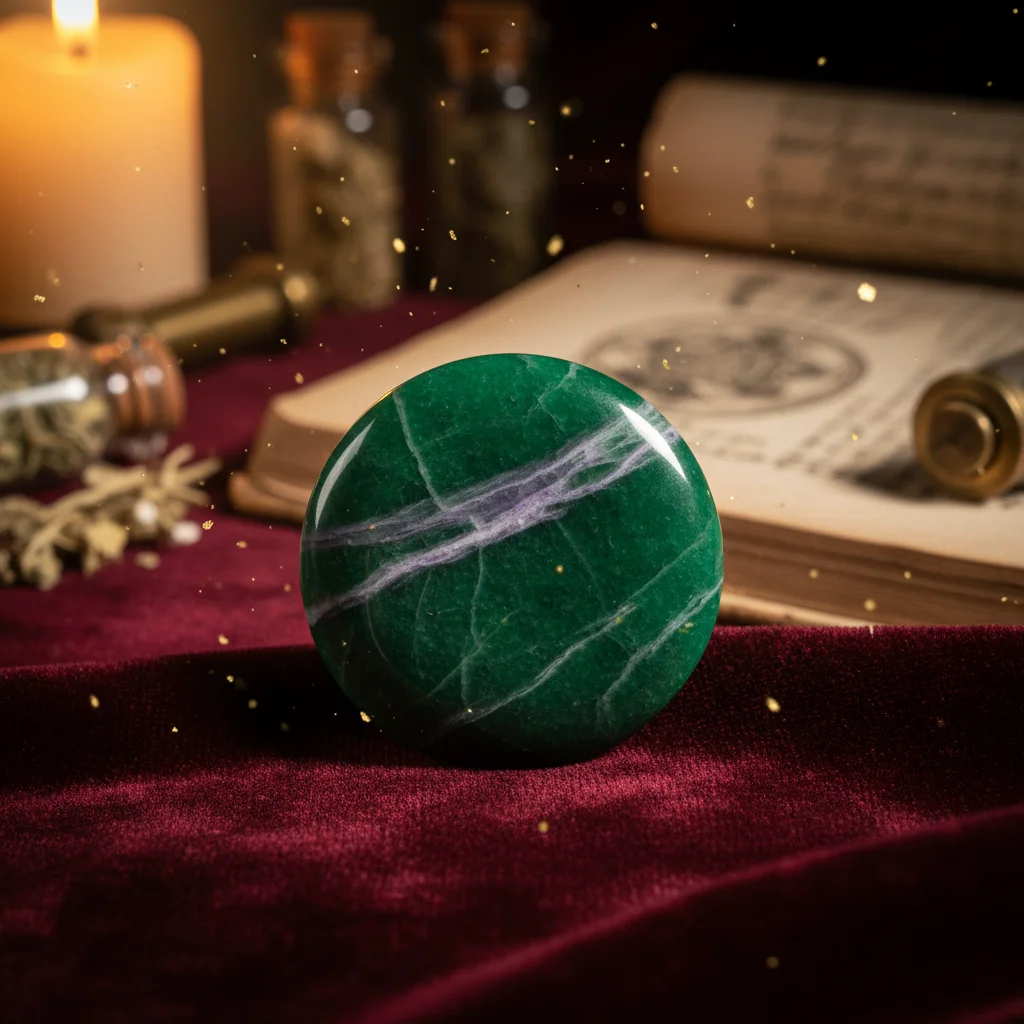
May's universal primary stone is emerald — green transparency symbolizing eternal love and undying hope. Cleopatra famously owned her own emerald mines. In Japan's 2021 revision, jadeite (hisui) was formally added as a May birthstone. Jade is Japan's national stone, counted as the Yasakani no Magatama among the Three Sacred Treasures. Stone Artistry HISUI (literally "Jadeite Atelier") roots its name in jade. For those born in May, jadeite is the most strongly recommended guardian stone rooted in Japanese culture.
Juin
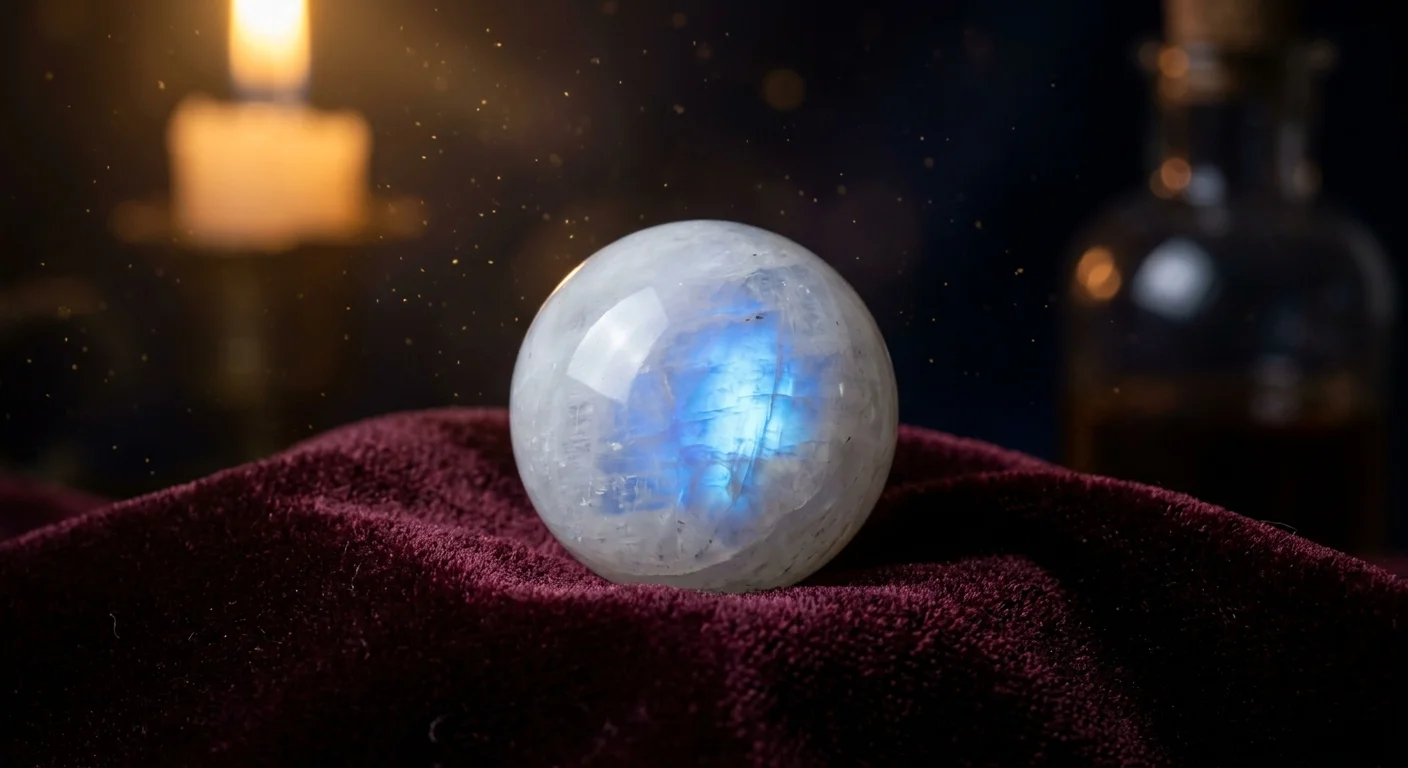
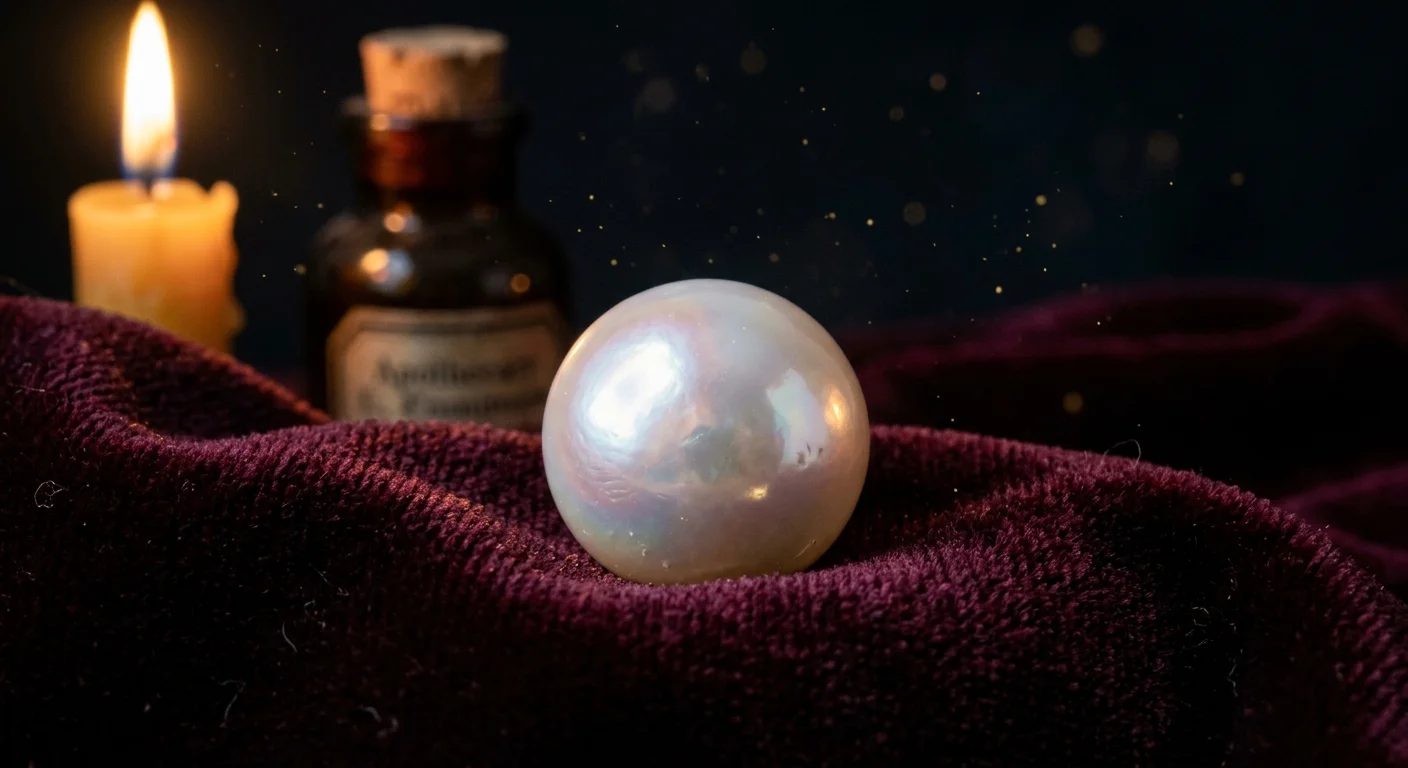
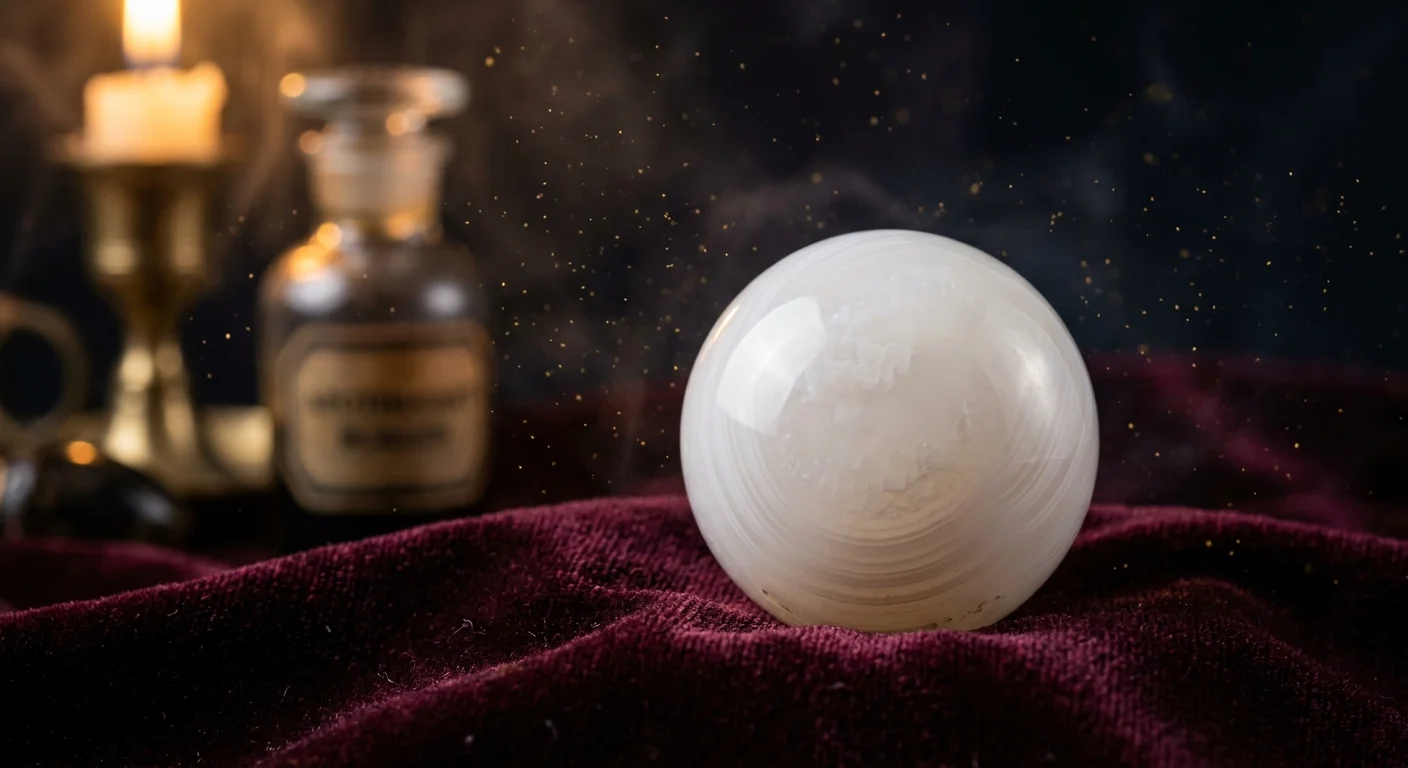
June stands out with three primary birthstones. Moonstone is said to hold a moon goddess within; Hindu tradition calls it the sacred stone of marriage, and ancient Romans believed it was solidified moonlight. Pearl, an organic gem formed slowly inside a shell, symbolizes purity, dignity, and motherhood. Stone Artistry HISUI uses freshwater pearls. For those born in the rainy month, these two stones offer the embrace of moonlight and sea quiet.
Juillet
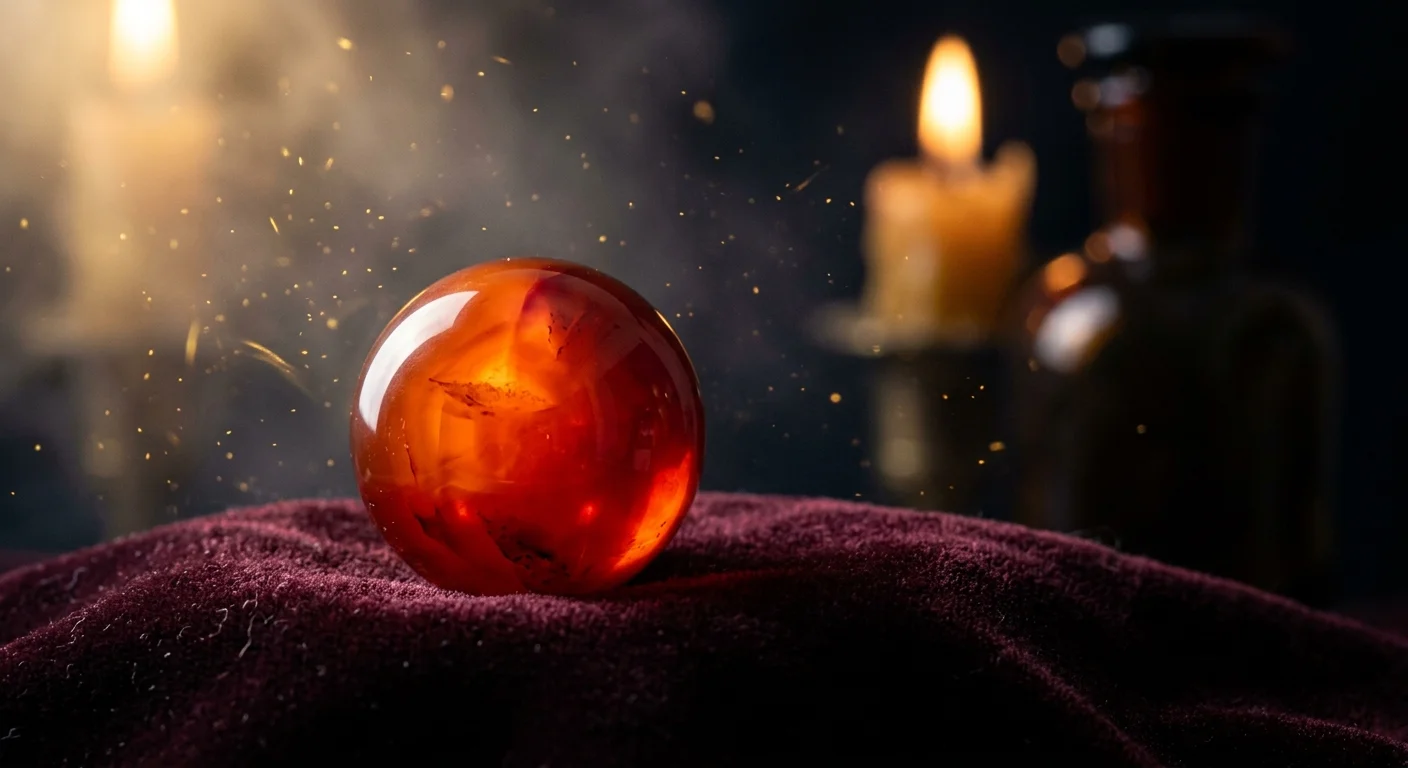
July's primary stone, ruby, is called the queen of gems — deep red corundum. Its name comes from Latin rubeus (red); in Sanskrit, ratnaraj means "king of gems." Ancient Indian warriors sewed rubies into their armor as the ultimate protective stone. Its three great meanings: passion, vitality, love. Secondary carnelian, also a red stone, emphasizes courage and pioneering spirit. For those born at the height of summer, ruby supplies the blazing solar energy.
Août
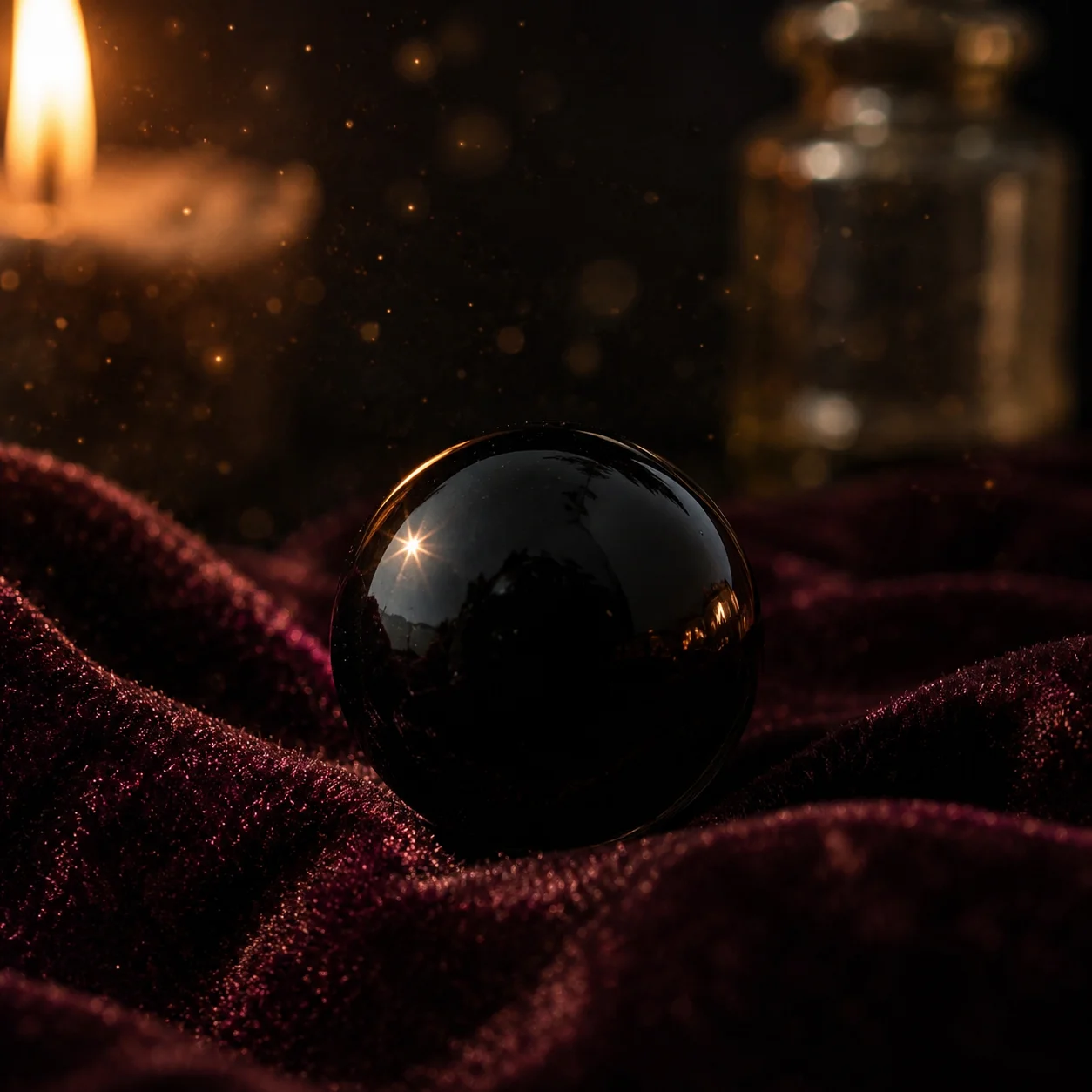
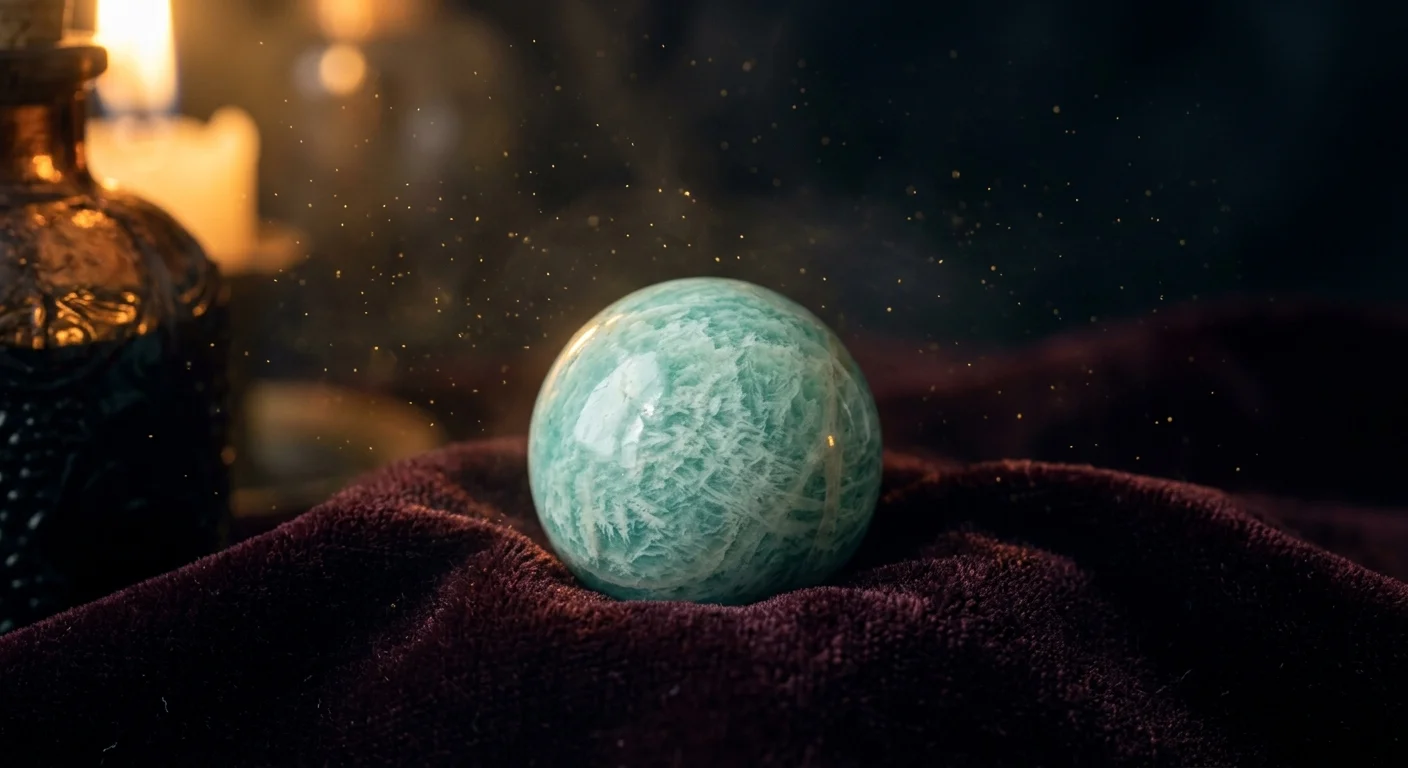
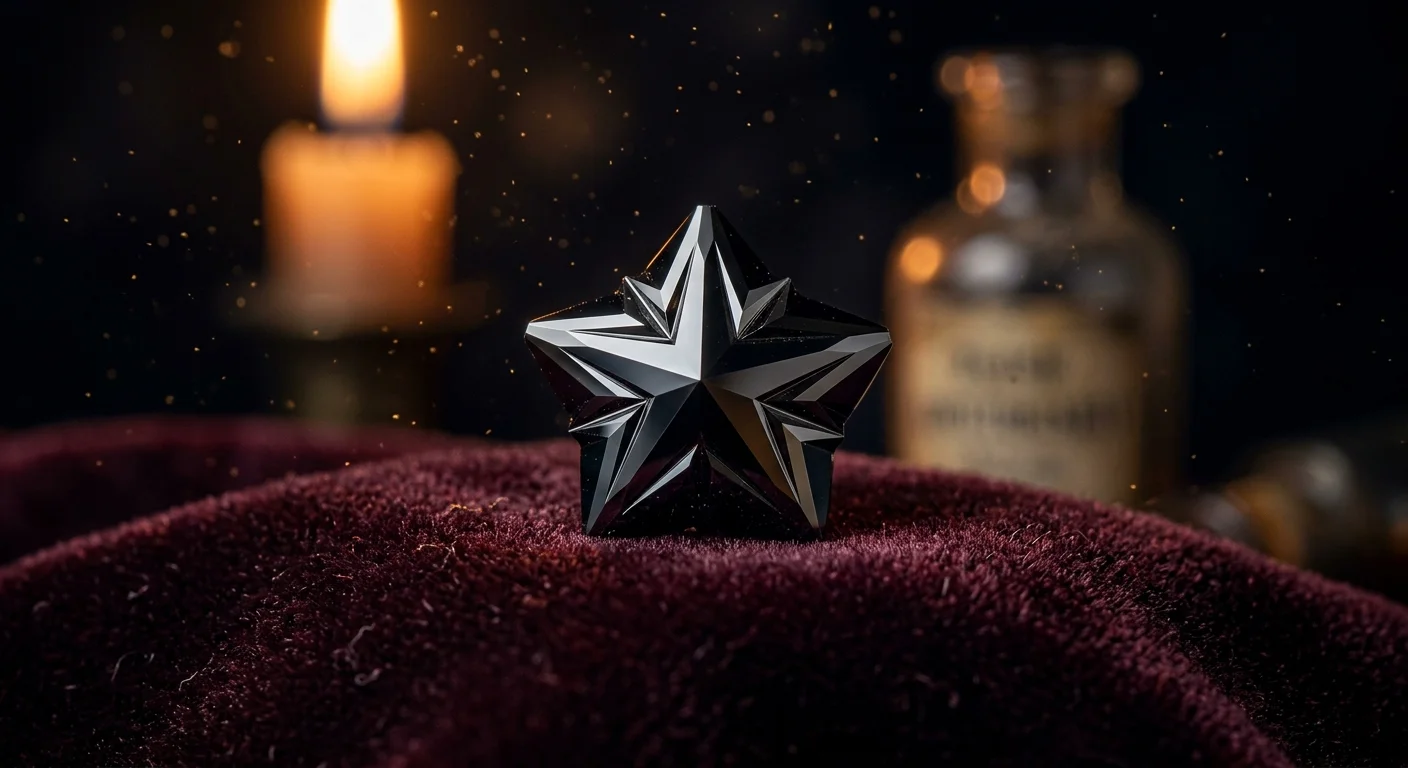
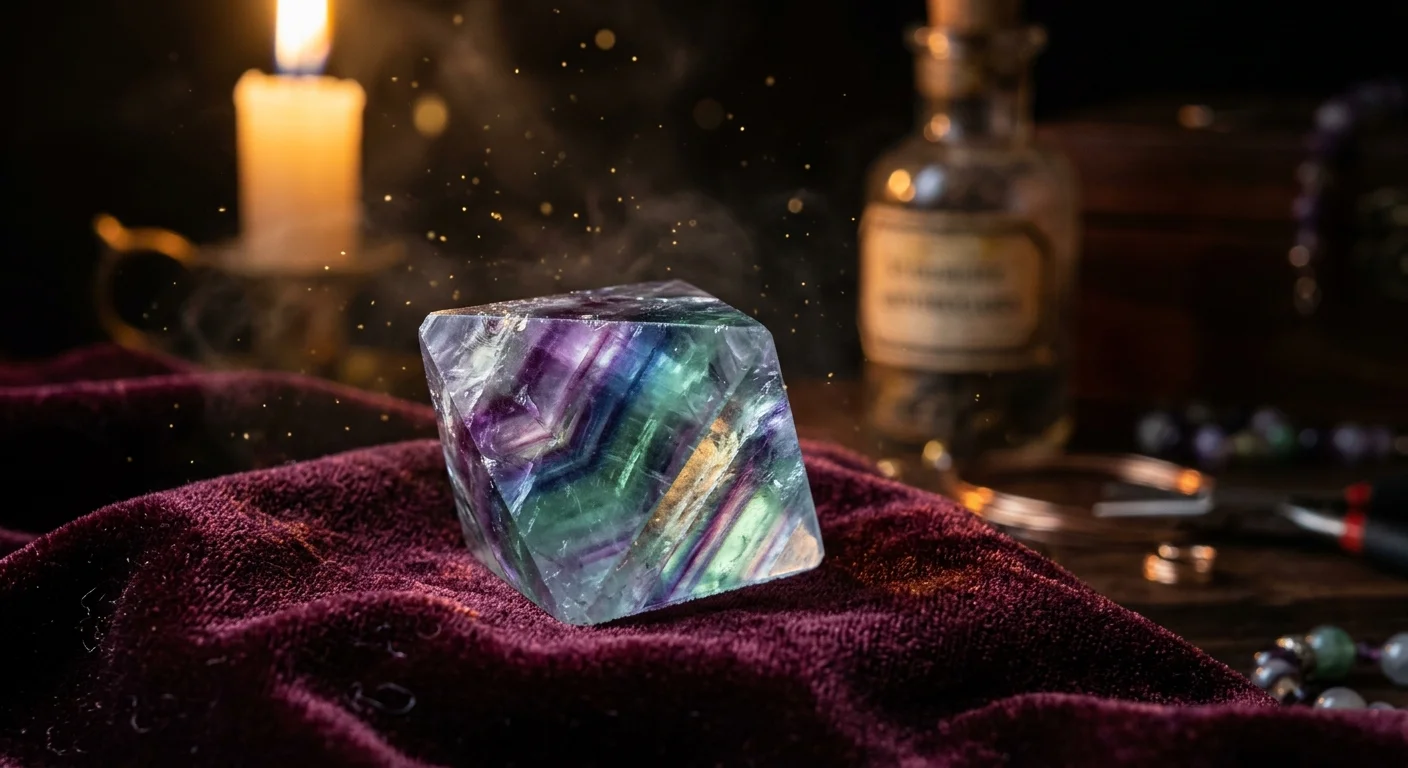
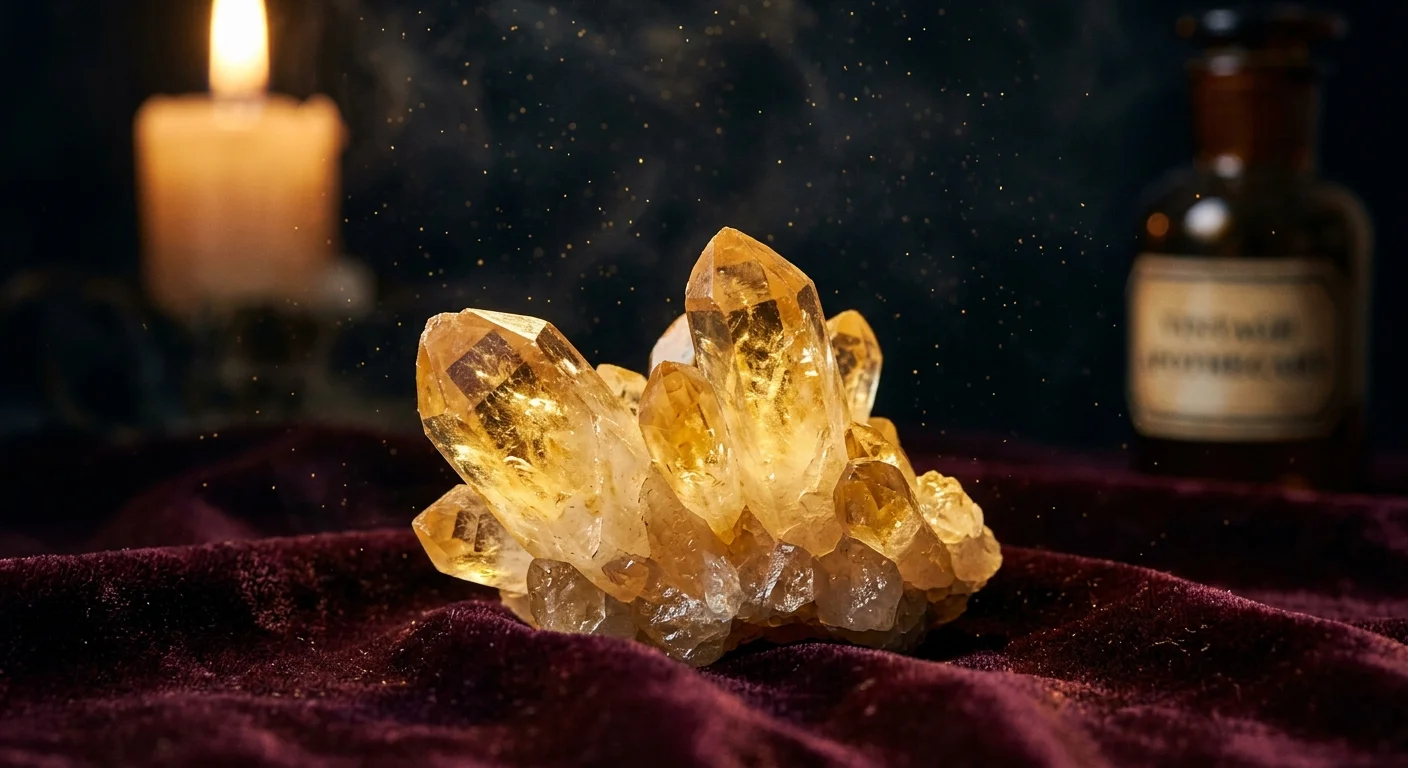
August's primary stone, peridot, glows in olive-green transparency — called "the sun stone." In ancient Egypt it was dedicated to temples as "the gem of the sun," symbol of light dispelling darkness. In 2016, the American Gem Trade Association formally added black spinel as an August birthstone, offering a striking contrast in obsidian darkness. Stone Artistry HISUI recommends amazonite, fluorite, and citrine as peridot's green-family companions for those born in August.
Septembre
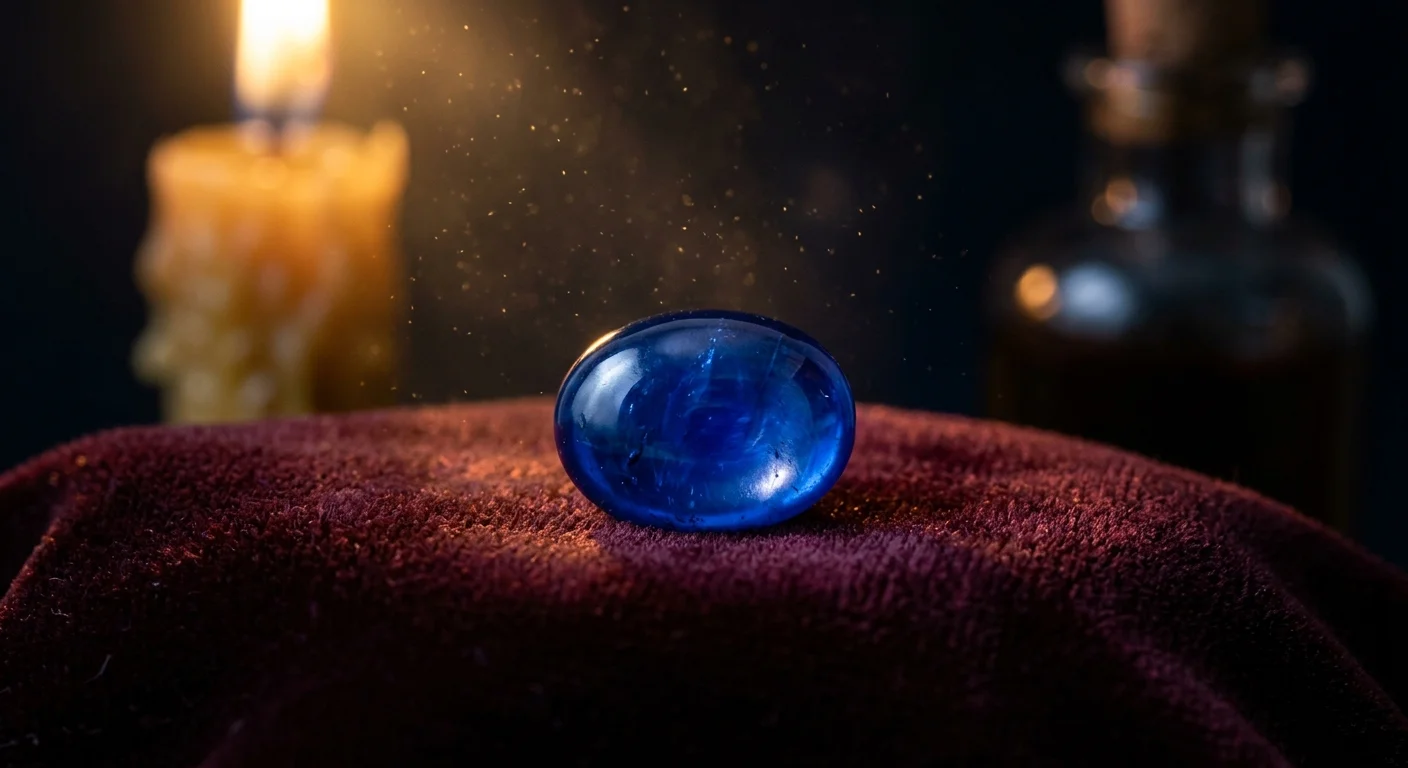
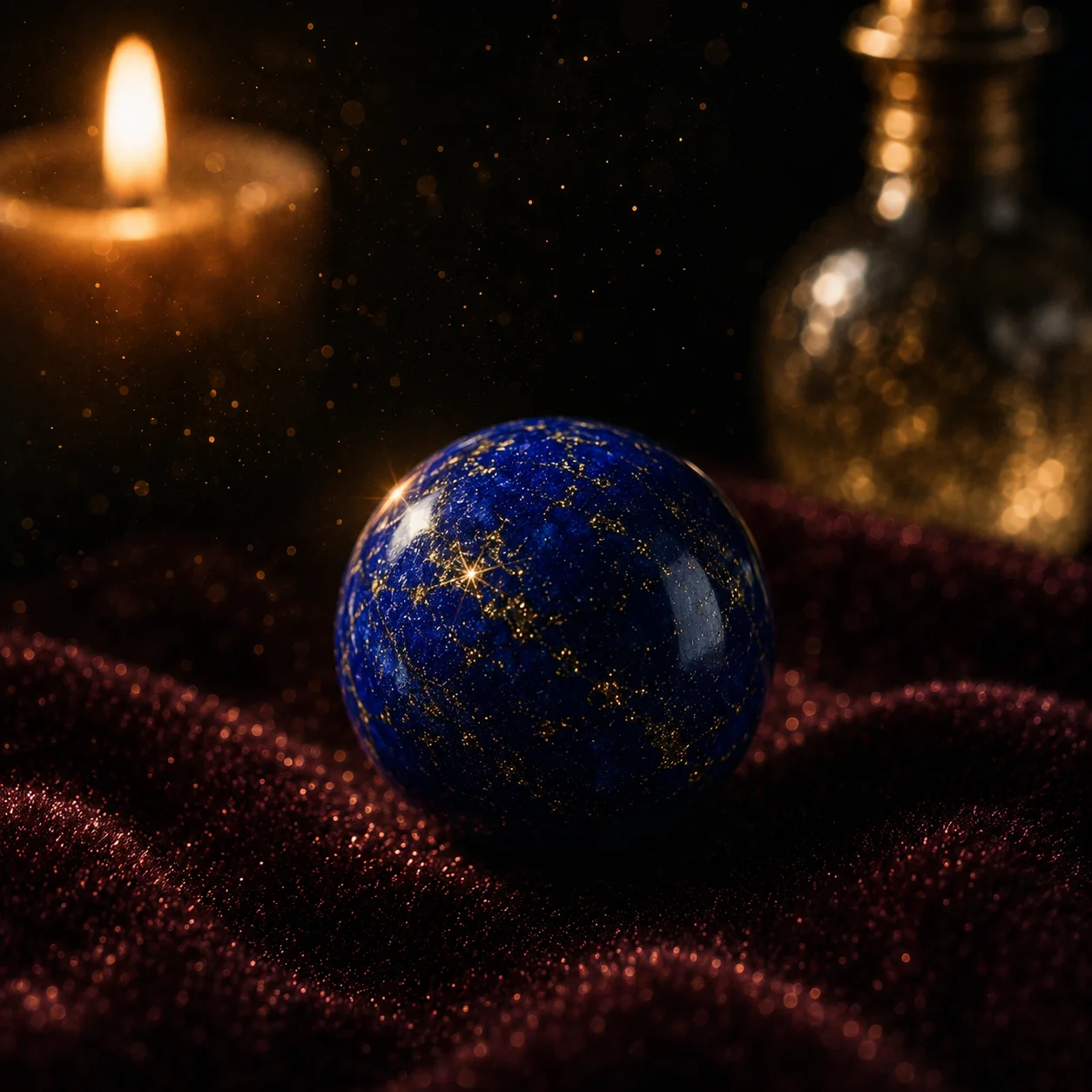
September's primary stone, sapphire, is deep-blue corundum. Its name comes from Greek sappheiros (blue gem). Ancient Persians believed the sky was blue because it reflected sapphire fragments above. In medieval Europe, sapphire-set rings worn by clergy were called "windows to heaven." Its three great meanings: truth, sincerity, royalty. Secondary lapis lazuli, another deep blue stone, adorned Tutankhamun's golden mask. September-born are enveloped in the depth of blue.
Octobre
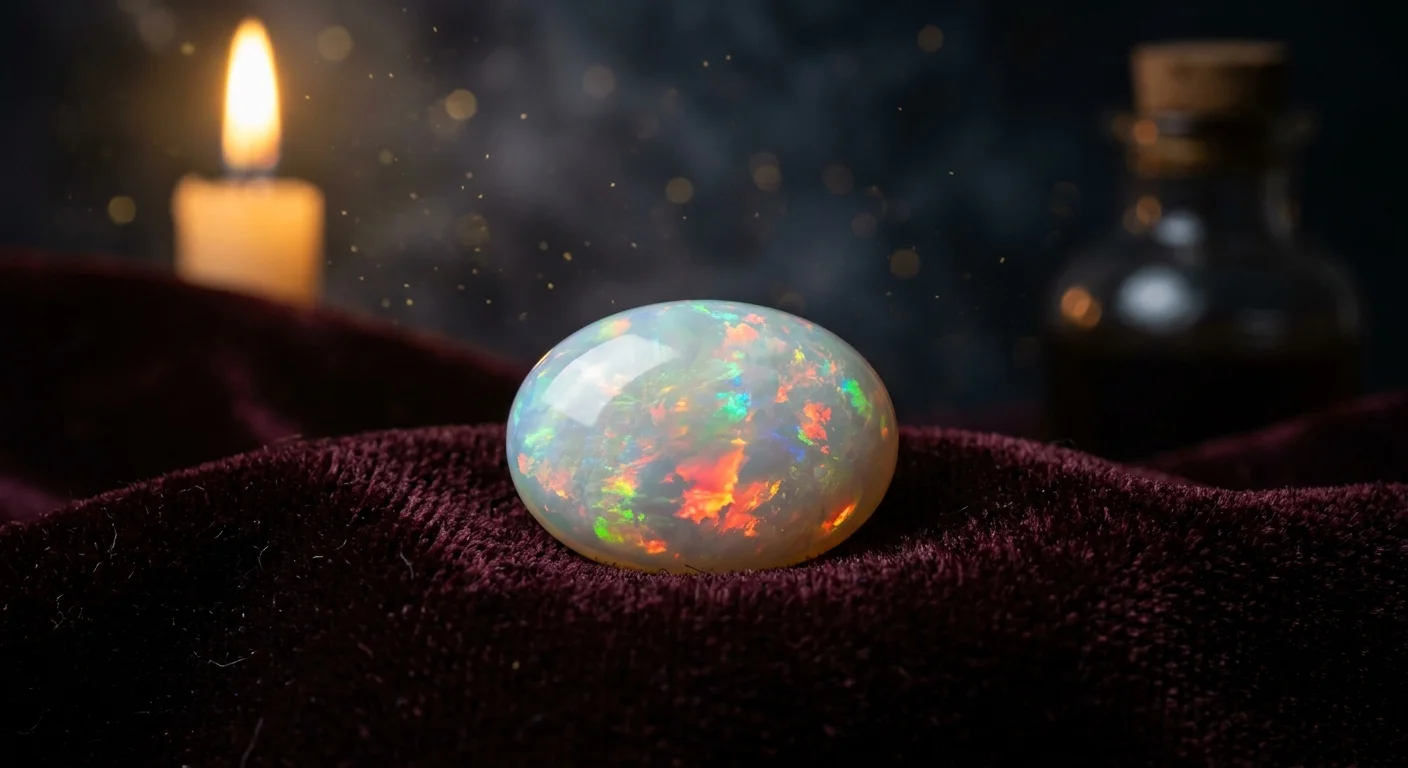
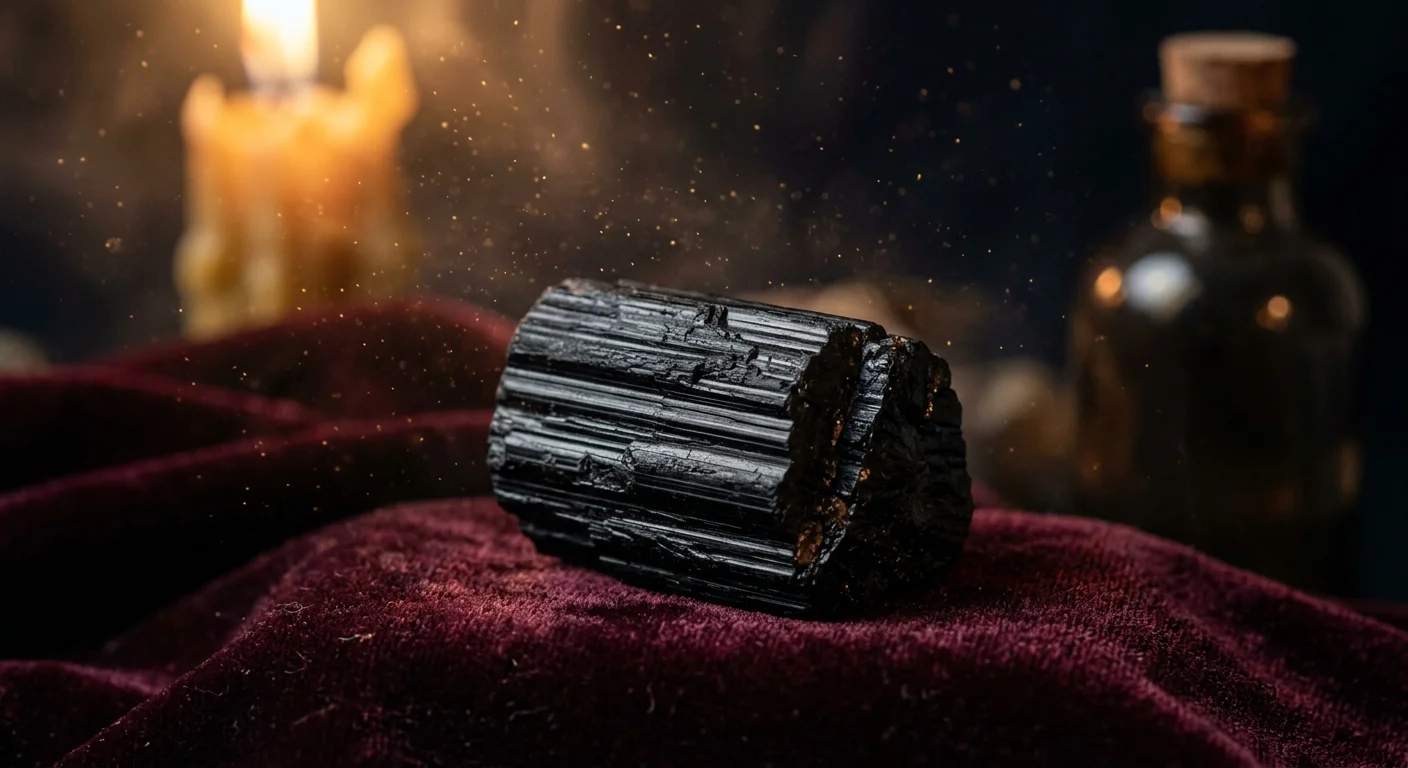
October's primary stone, opal, displays rare play-of-color iridescence. Its name derives from Sanskrit upala (precious stone). Ancient Rome called it "the stone of hope and innocence," and it was named "the gem of gems" for holding all rainbow colors within a single stone. Secondary tourmaline, meaning "mixed colors" in Greek, includes the highly sought-after black tourmaline — a powerful protective stone against negative energy and electromagnetic radiation, still in demand today.
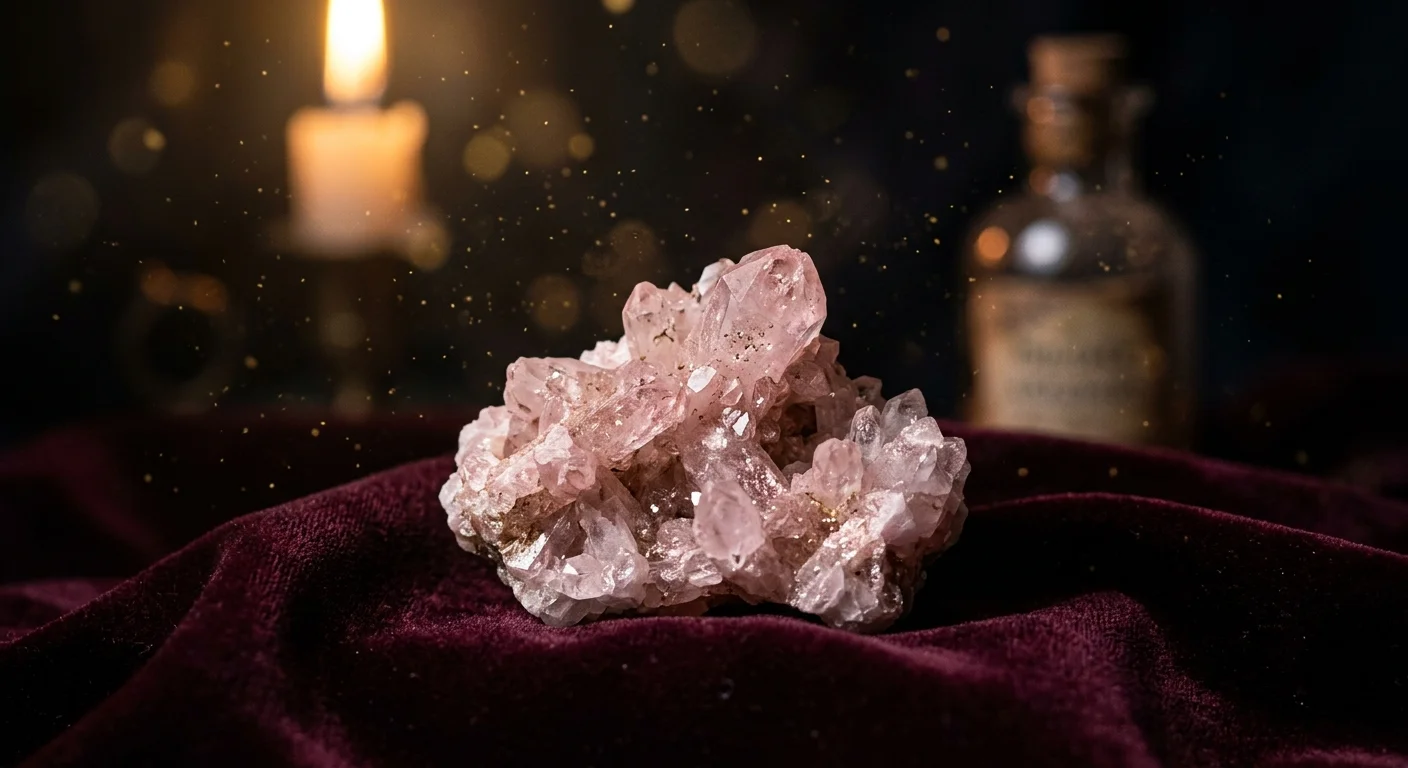
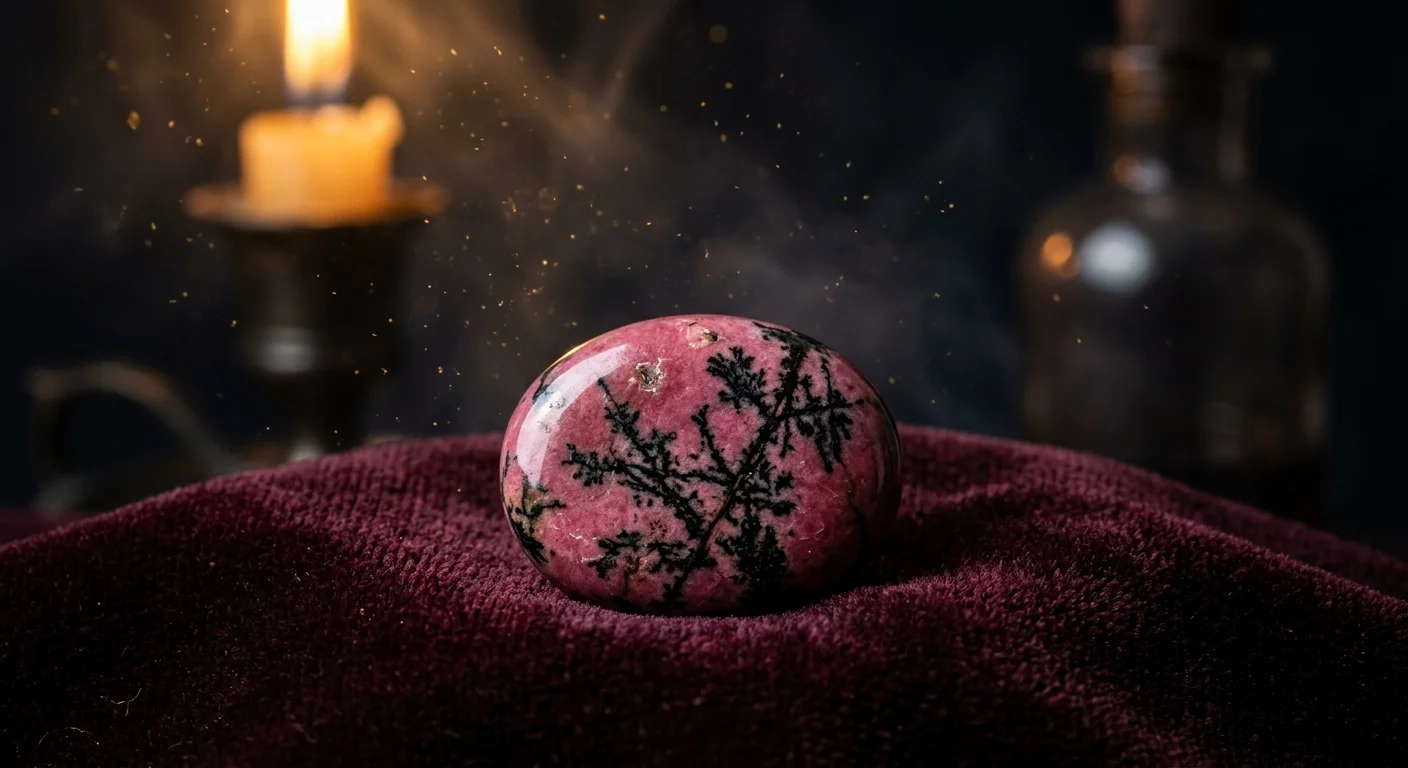
Novembre
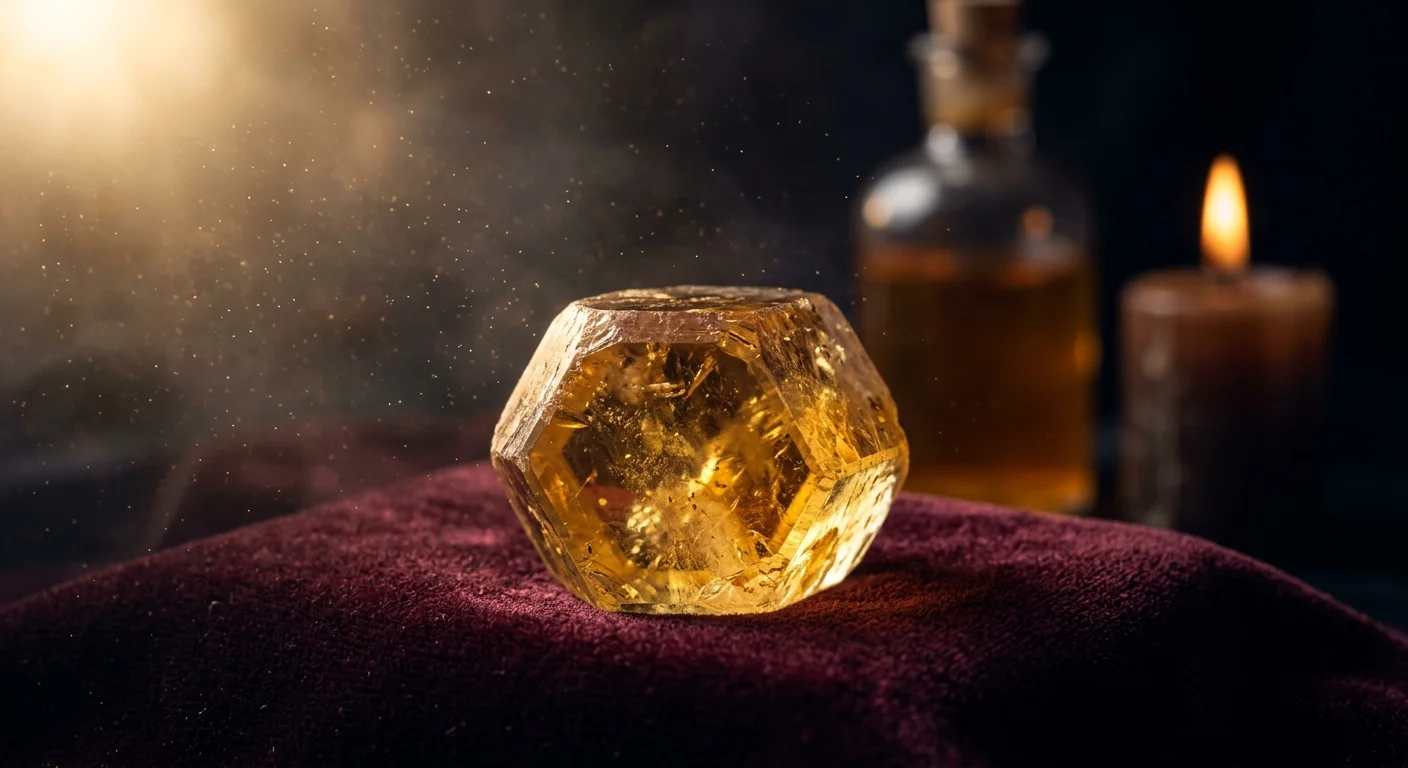
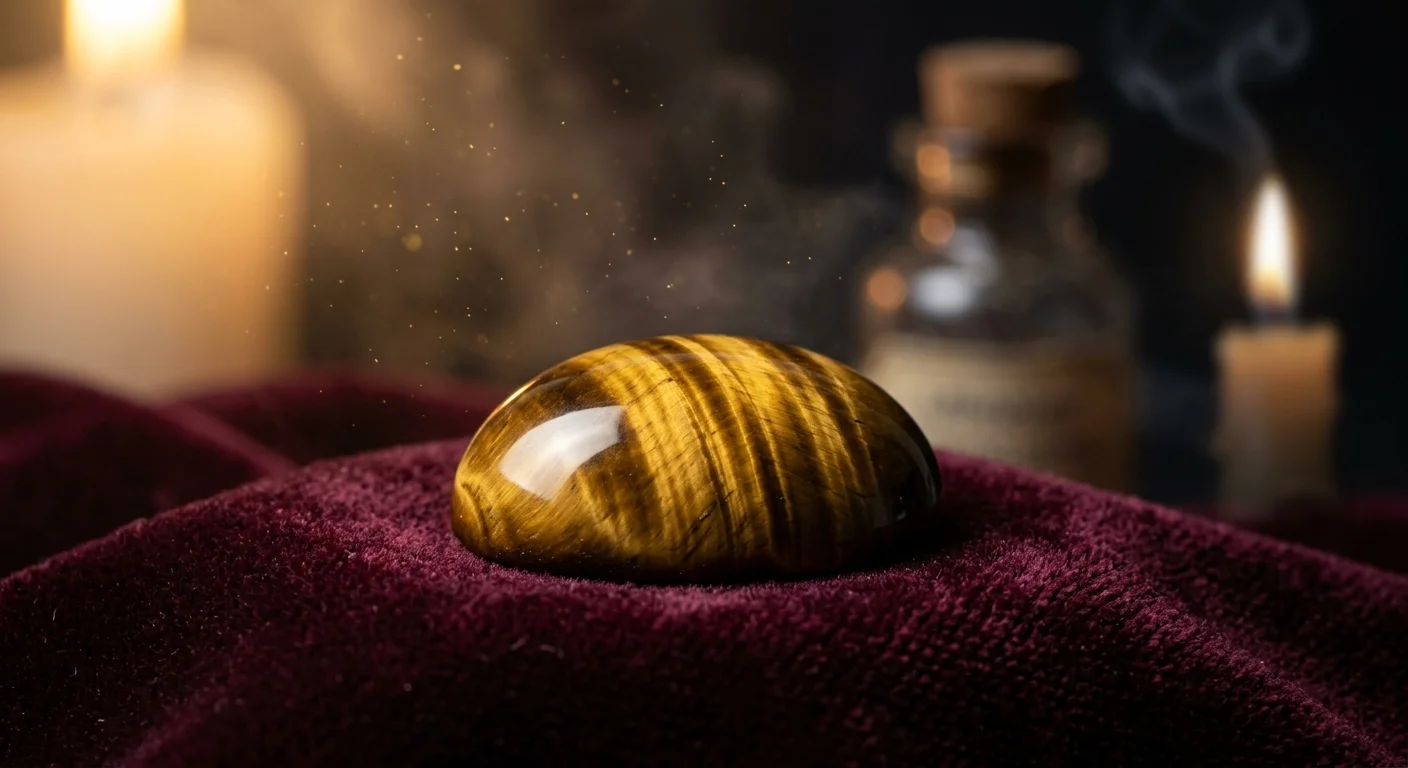
November's primary stones radiate golden light. Topaz takes its name from the Red Sea island Topazos (modern Zabargad). Citrine comes from Latin citrus (lemon), concentrating the sun's color into a single stone. Secondary heliodor (yellow beryl) means "gift of the sun" in Greek and is known as "the merchant's stone" and "the wealth stone" — symbol of prosperity, abundance, and successful enterprise. For those born in late autumn, golden stones invoke the harvest and abundance.
Décembre
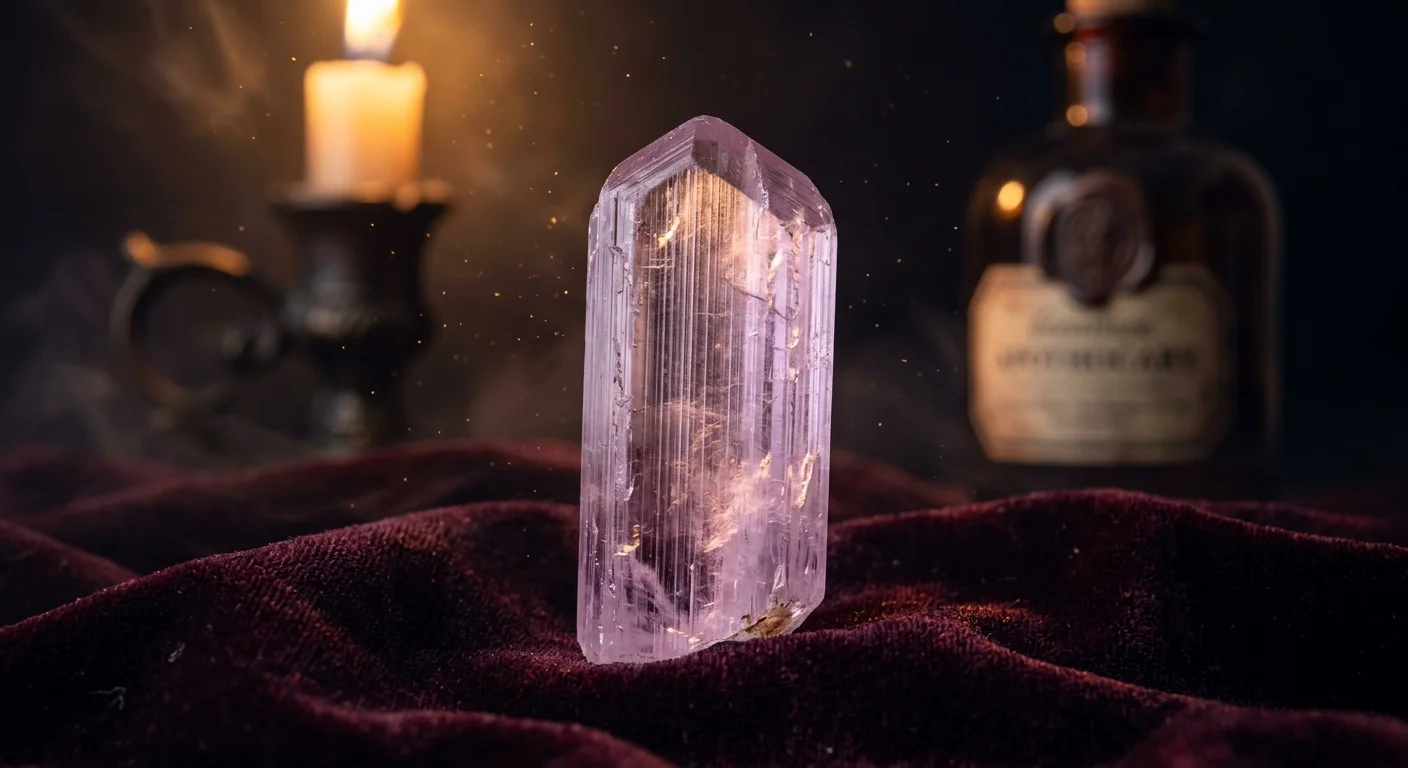
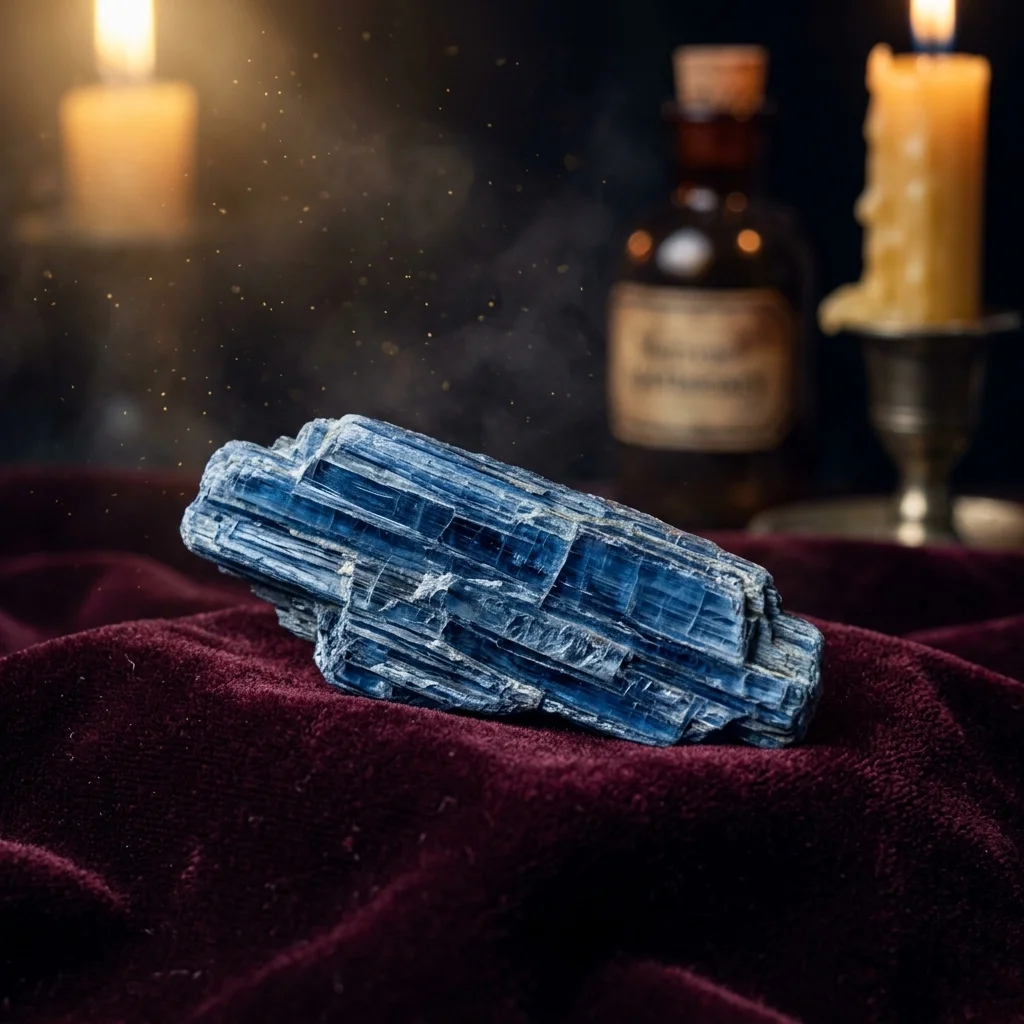
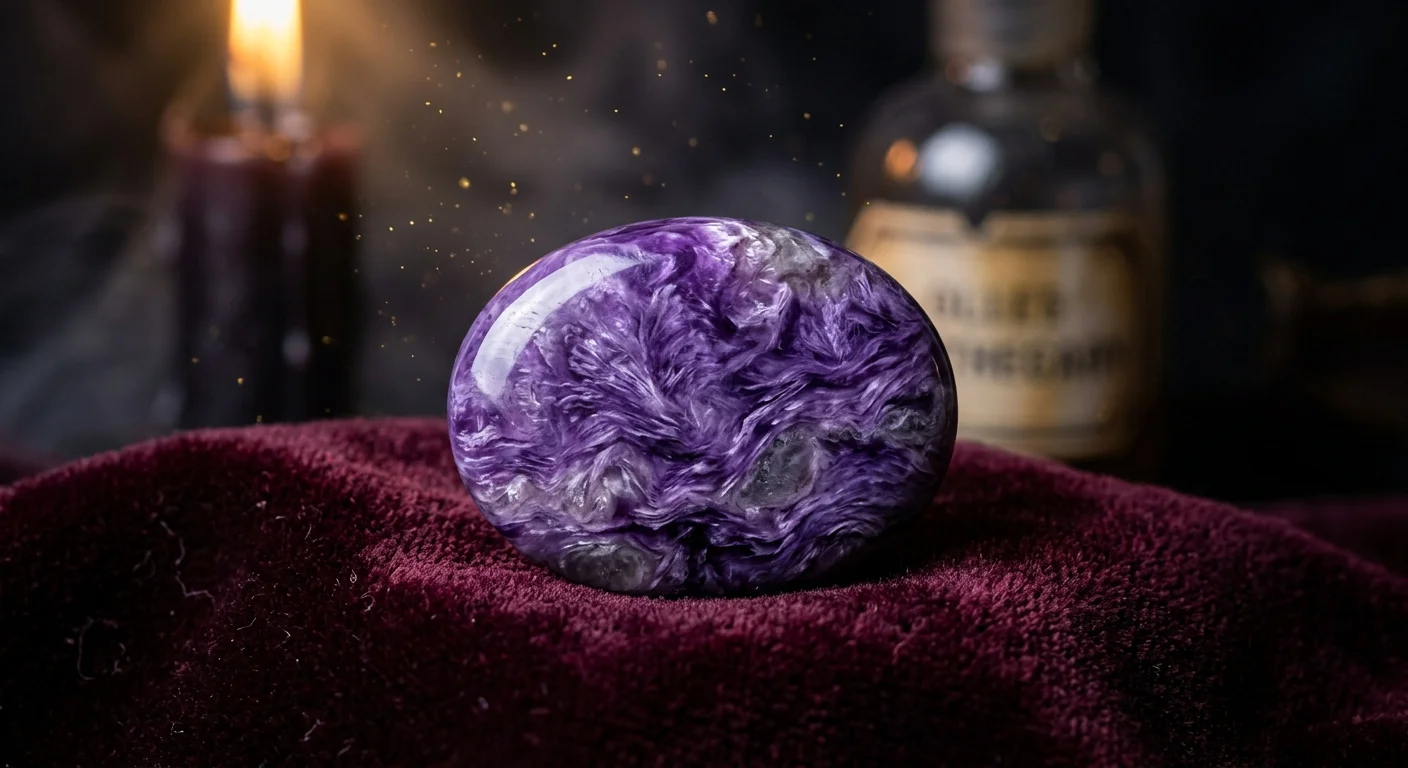
December birthstones gather blue and violet hues. Turquoise has been revered as "the heavenly stone" by ancient Egyptians, Persians, and Native Americans alike. Tanzanite, discovered in Tanzania in 1967, is a relatively new gem displaying blue-violet dichroism. From its 38 stones, Stone Artistry HISUI recommends lapis lazuli, kyanite, and charoite as December's guardian alternatives. Charoite's fantastical violet gradations are tied in folklore to transformation and inner solace — a rare stone.
Birthstone Gift Guide
The practice of giving birthstones as birthday gifts began in the early 20th century American jewelry industry and is now established worldwide. By overlaying your own intentions onto the tradition that "a stone guards those born in that month," the gift carries meaning beyond mere jewelry.
Three guidelines for choosing. First, "choose the recipient's birth-month primary stone (traditional headliner)" — the safest and most clearly conveyed meaning. Second, "choose the secondary stone in their favorite color" — a gift that respects individuality. Third, "choose a stone whose meaning matches their current concern or goal" — the gift most likely to touch the heart.
Bracelet form is particularly popular at Stone Artistry HISUI. Worn on the wrist for daily presence, and easy to cleanse (moonlight bath). For details, navigate from the Stone Master 38-Stone Complete Guide to each stone page, where matching bracelets and pieces can be selected.